
Wavelight Plus vs. Traditional LASIK: 2026 Vision Standard
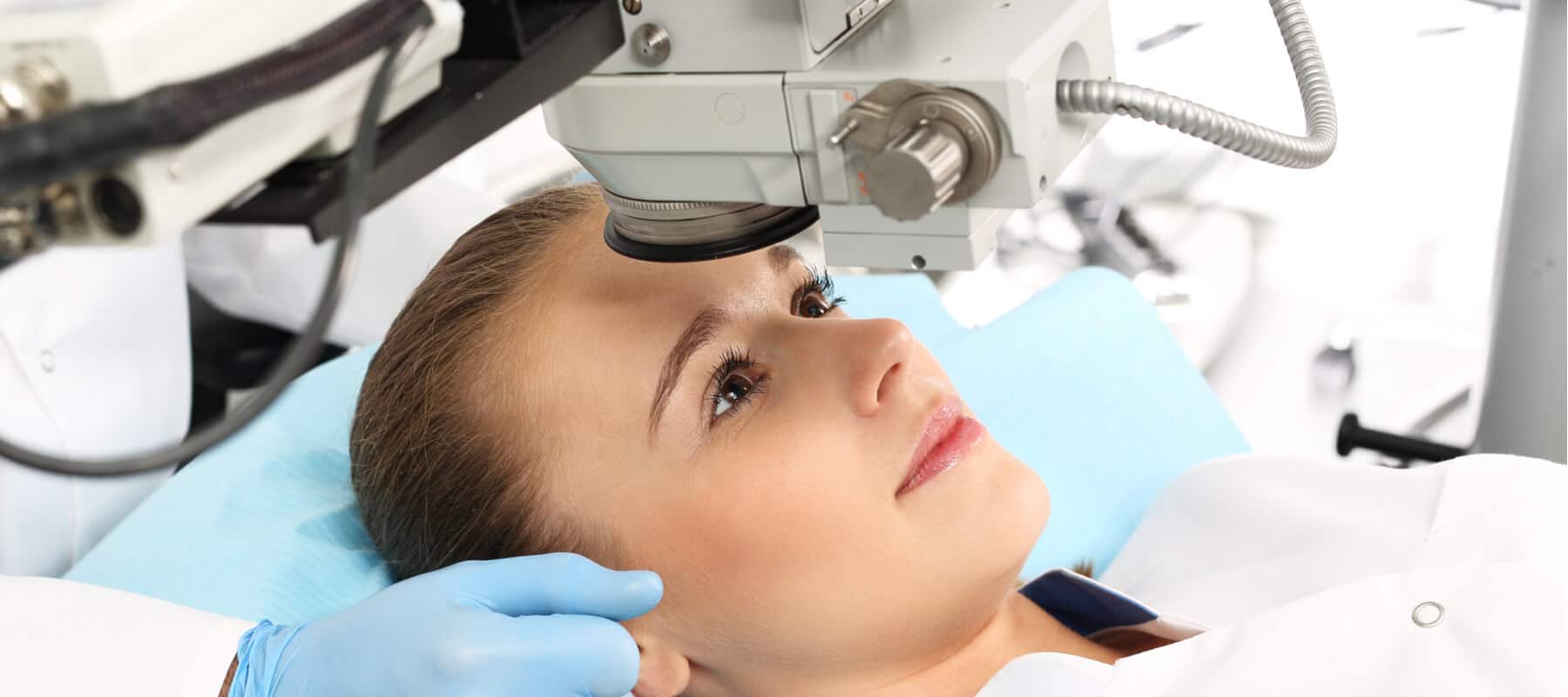
In the rapidly evolving landscape of refractive surgery, the quest for “perfect” vision has moved beyond the standard 20/20 benchmark. For Australians seeking freedom from glasses, the choice often comes down to a battle of technologies: Wavelight Plus vs. Traditional LASIK.
While traditional LASIK has successfully corrected millions of eyes, the introduction of Wavelight Plus (powered by Alcon’s InnovEyes technology) represents a paradigm shift. By using advanced 3D ray-tracing to create a “Digital Eye Twin,” this new standard of care doesn’t just correct your prescription—it optimizes your entire optical system.
See more: What 1 Million LASIK Patients Taught Us About Regret (or the Lack of It)
What is Wavelight Plus? The Next Evolution of LASIK
To understand why Wavelight Plus is being hailed as the new standard for 20/20 vision, we must first define what makes it distinct from its predecessors.
Wavelight Plus is an advanced, ray-tracing guided LASIK procedure. Unlike previous generations of laser surgery that relied on a patient’s glasses prescription (subjective refraction) or surface-level maps of the cornea (topography), Wavelight Plus captures the unique optical “fingerprint” of the entire eye.
The Power of the Digital Eye Twin
The core of this technology is the SightMap diagnostic system. It captures over 100,000 data points to create a comprehensive 3D model of your eye. This “Digital Eye Twin” accounts for:
- The exact curvature of your cornea.
- The length of your eye.
- The internal properties of your natural lens.
- How light travels through every layer of your optical path.
Wavelight Plus vs. Traditional LASIK: Key Differences
When comparing Wavelight Plus vs. traditional LASIK, the primary distinction lies in personalisation. Traditional LASIK treats the eye based on a “one-size-fits-most” approach, while Wavelight Plus treats the eye as a unique architectural structure.
| Feature | Traditional LASIK | Wavelight Plus (Ray-Tracing) |
| Data Source | Standard spectacle prescription | 3D Ray-Tracing (100,000+ data points) |
| Customisation | Basic (Focuses on 2D correction) | Ultra-Personalised (3D “Digital Twin”) |
| Night Vision | Potential for glare/halos | Specifically designed to reduce aberrations |
| Precision | High | Sub-micron (Unmatched accuracy) |
| Vision Goal | Standard 20/20 vision | “High-Definition” (Often 20/16 or 20/12.5) |
Why Ray-Tracing Outperforms Standard Mapping
Traditional LASIK platforms typically address Lower-Order Aberrations (LOAs) like nearsightedness and astigmatism. However, they often ignore Higher-Order Aberrations (HOAs)—tiny imperfections that cause night-driving issues, ghosting, and loss of contrast.
Wavelight Plus uses the ray-tracing algorithm to calculate a treatment plan that neutralizes these HOAs. By simulating how light will hit your retina after the surgery, the system ensures the most accurate laser application possible.
The Benefits of Wavelight Plus: Beyond 20/20 Vision
Clinical data from 2025 and 2026 suggests that Wavelight Plus isn’t just a marginal improvement; it is a significant leap in visual quality.
1. Superior Visual Acuity
While 20/20 is considered “perfect” by many, Wavelight Plus patients frequently achieve 20/16 or even 20/12.5 vision. In recent clinical trials, nearly 98% of patients reached 20/20 or better, with over half achieving vision sharper than the standard human average.
2. Enhanced Contrast and Night Vision
One of the most common complaints after traditional LASIK is “night glare.” Wavelight Plus addresses this by smoothing out the microscopic irregularities that cause light to scatter. This results in:
- Sharper edges on objects in low light.
- Reduced “starbursts” around streetlights.
- Better performance in foggy or rainy Australian driving conditions.
3. Faster, More Predictable Outcomes
The integration of the diagnostic SightMap and the Wavelight laser suite reduces human data-entry errors. The laser itself operates at a high frequency, meaning less time in the procedure room and a faster physiological recovery for the corneal tissue.
The Wavelight Plus Procedure: A Step-by-Step Framework
If you are considering this procedure in an Australian clinic, here is the standard workflow you can expect:
- The SightMap Scan: Your eyes are scanned using ray-tracing technology. This is non-invasive and takes only a few minutes per eye.
- Digital Twin Generation: The software creates your 3D optical model and calculates a bespoke treatment plan.
- Flap Creation: A femtosecond laser creates a micro-thin, protective flap on the surface of the cornea.
- Ray-Tracing Correction: The Wavelight excimer laser reshapes the underlying tissue with sub-micron precision, guided by your 3D map.
- Immediate Recovery: The flap is replaced. Most Australian patients report “functional vision” (the ability to drive or work) within 24 hours.
Best Practices for Australian Patients
To ensure the best long-term results with Wavelight Plus, follow these expert-vetted tips:
- Stable Prescription: Ensure your prescription hasn’t changed significantly in the last 12 months.
- Manage Dry Eye First: If you suffer from chronic dry eye, treat this before surgery. A healthy tear film is essential for accurate SightMap measurements.
- Choose Experience: While the technology is automated, the surgeon’s experience in flap creation and post-op care is vital.
- Follow the Drops Schedule: Post-operative anti-inflammatory and antibiotic drops are non-negotiable for preventing infection and ensuring clear healing.
Common Mistakes to Avoid
- Price Shopping Alone: Traditional LASIK is often cheaper (ranging from $2,500–$3,500 per eye in Australia), but Wavelight Plus (averaging $3,700–$4,500 per eye) provides a level of visual quality that “standard” laser cannot match.
- Ignoring Recovery Restrictions: Avoid swimming in chlorinated pools or the ocean for at least two weeks post-surgery to protect the corneal flap.
- Waiting for “Better” Tech: Wavelight Plus is currently the gold standard. While tech always evolves, the 2026 data shows we have reached a plateau of extreme precision where further improvements may be imperceptible to the human eye.
FAQ: Frequently Asked Questions
Is Wavelight Plus safer than traditional LASIK?
Both have excellent safety profiles. However, Wavelight Plus includes more advanced eye-tracking technology (tracking movements over 1,000 times per second), which reduces the risk of decentred treatments.
How much does Wavelight Plus cost in Australia?
In 2026, the price for Wavelight Plus in major cities like Sydney, Melbourne, and Brisbane typically ranges from $3,700 to $4,800 per eye. This usually includes the initial consultation and all follow-up care for 12 months.
Can Wavelight Plus fix astigmatism?
Yes. In fact, Wavelight Plus is often superior for astigmatism because it maps the irregular shape of the cornea in 3D rather than just treating it as a standard cylinder value.
What is the recovery time for Wavelight Plus?
Most patients return to work within 24–48 hours. While vision may fluctuate slightly for the first week, the “wow” factor—the moment you see clearly—usually happens the morning after the procedure.
Is Wavelight Plus the same as Contoura Vision?
No. Contoura Vision is topography-guided (focused on the corneal surface). Wavelight Plus is ray-tracing guided (focused on the entire eye’s optical path). Wavelight Plus is considered the “next generation” beyond Contoura.
Conclusion: Setting the New Standard
When weighing Wavelight Plus vs. Traditional LASIK, the decision often comes down to how much you value visual “texture” and night-time clarity. Traditional LASIK is a reliable, time-tested tool for achieving 20/20. However, Wavelight Plus is the high-definition alternative for those who want to push the boundaries of what their vision can achieve.
By investing in the “Digital Eye Twin” technology, you aren’t just getting a surgery; you are getting a custom-engineered optical system tailored specifically to you.
Internal Linking Suggestions:
- Learn more about [Laser Eye Surgery Costs in Australia].
- Check your [LASIK Candidacy] with our online test.
External Reference Suggestions:
- The Royal Australian and New Zealand College of Ophthalmologists (RANZCO) – For patient safety standards.
- American Academy of Ophthalmology (AAO) – For clinical study data on ray-tracing outcomes.