
Melbourne Sleep Study Cost: What Patients and Carers Considering Treatment Options Should Know Before They Choose
This guide is written for Australian patients and carers weighing up next steps, including whether a sleep study is likely to change treatment, and how to avoid bill shock.
What does the Melbourne sleep study cost usually include?
In most cases, Melbourne sleep study cost covers the consultation or referral pathway, the sleep recording itself, scoring and interpretation by trained staff, and a report for the referring GP or specialist. Some providers bundle follow-up into the price, while others bill separately.
Patients and carers should check whether the quote includes the medical review, not just the equipment. A cheaper upfront price can become expensive if interpretation, results appointments, or treatment planning are added later.
Which type of sleep study changes the Melbourne sleep study cost the most?
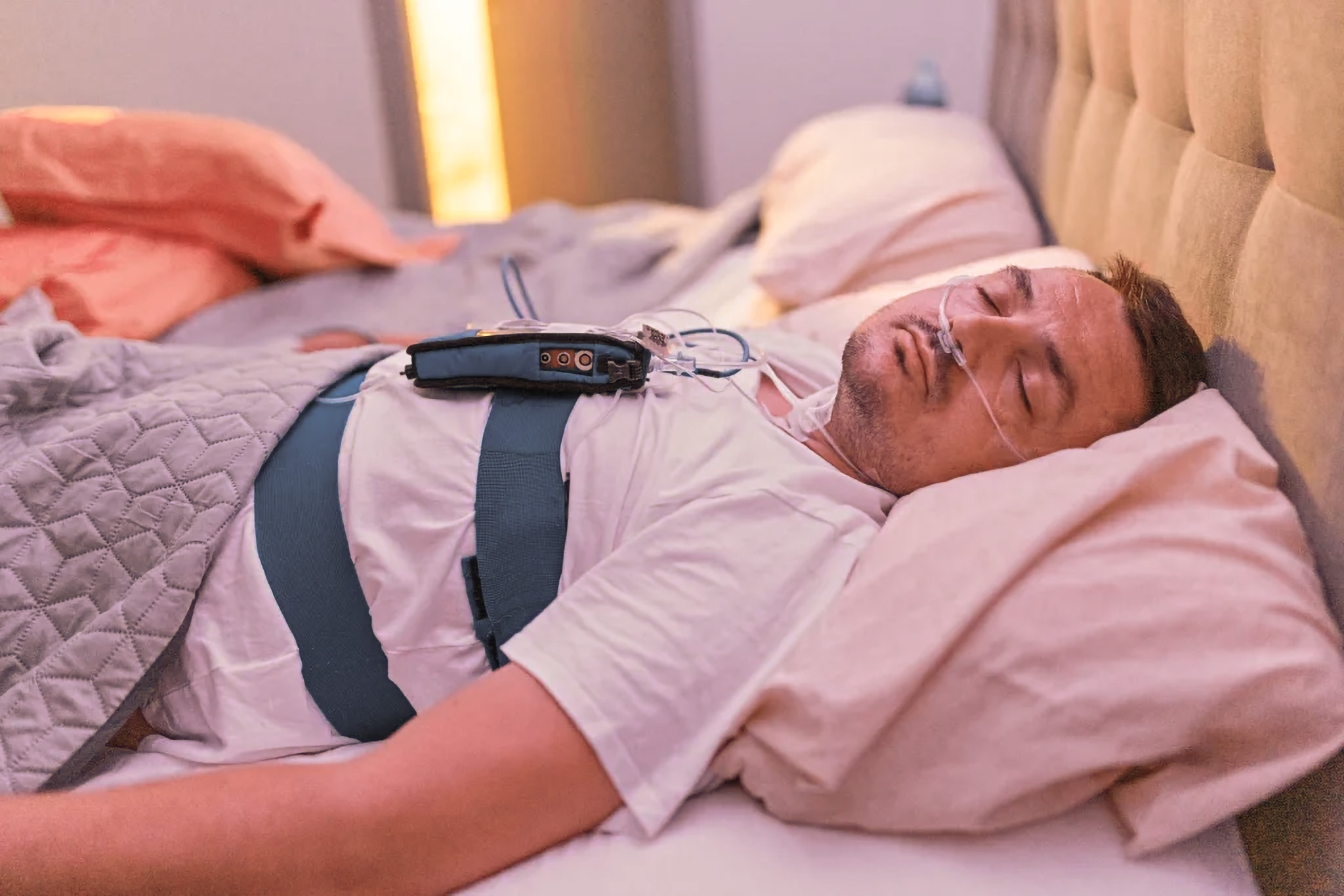
The biggest driver of Melbourne sleep study cost is whether the test is done at home or in a lab. Home studies (often called HSAT) typically monitor breathing, oxygen levels, heart rate, and airflow, and suit many suspected obstructive sleep apnoea cases.
In-lab polysomnography is more comprehensive and monitored overnight. It usually records brain activity, muscle tone, leg movements, and more, which can be important when symptoms are complex or when safety is a concern. “
How much does an at-home study cost in Melbourne compared with a lab study?
For many people, Melbourne sleep study cost for an at-home test is lower than a lab study, but the exact figure depends on the clinic and inclusions. Some home studies are offered as packaged services, while others are billed as separate steps.
Lab studies generally cost more because they use specialised facilities and overnight supervision. Carers may also need to factor in logistics, like transport, time off work, and the patient’s ability to tolerate a different sleeping environment.

When can Medicare reduce the Melbourne sleep study cost?
Medicare can reduce Melbourne sleep study cost when the test is clinically indicated, correctly referred, and billed under eligible items. The rules can be strict, and not every service is covered in the same way.
Patients and carers should ask the clinic to explain what is bulk billed, what attracts a rebate, and what will be out-of-pocket. They should also ask whether the sleep physician consultation is separate, because that can change the final total.
How does private health insurance affect the Melbourne sleep study cost?
Private hospital cover can reduce Melbourne sleep study cost for in-hospital or certain lab-based studies, but it depends on the policy, excess, and whether the provider is in-network. Extras cover may help with related care, but it rarely pays for the study itself unless explicitly listed. Patients should review their policy details and compare sleep assessment options in Melbourne to understand available services and expected expenses.
People should ask their fund for written confirmation of benefits before booking. It is also worth checking whether the anaesthetist-style “gap” scenario applies to sleep physicians or hospital charges in that setting.
What out-of-pocket costs should patients and carers plan for beyond the study itself?
Even when Melbourne sleep study cost looks manageable, treatment-related expenses may follow quickly. Common next costs include a follow-up appointment, CPAP trial or purchase, mask fittings, and ongoing supplies like filters or tubing.
Some patients also need further testing, especially if the first study is inconclusive, if symptoms do not match results, or if central sleep apnoea, parasomnias, or movement disorders are suspected. Carers should plan for the possibility of more than one step and consider specialist sleep disorder diagnosis and follow-up when additional assessments are recommended.
How can patients tell if a cheaper sleep study is still clinically appropriate?
A low Melbourne sleep study cost is not automatically a bad sign, but patients should check the clinical pathway. They should confirm who interprets the study, what qualifications the team has, and whether a sleep physician reviews the results when needed.
They should also ask what happens if the home study fails, which is common if sensors detach overnight. A good provider explains repeat policies, turnaround times, and how results feed into real treatment decisions.
What questions should they ask a clinic before booking?
Before agreeing to a Melbourne sleep study cost, patients and carers can ask for a written quote and a clear list of inclusions. They should also ask:
- Is the test home-based or in-lab, and why is that recommended for their symptoms?
- What is the expected out-of-pocket cost after Medicare rebates, if any?
- Who scores the study, and who signs off the report?
- How long will results take, and is a follow-up appointment included?
- If treatment is recommended, what options are discussed besides CPAP?
Direct answers matter more than marketing claims. If staff cannot explain the pathway, it is reasonable to seek a second opinion.
When is an in-lab study worth the higher cost?
For some presentations, the higher Melbourne sleep study cost of an in-lab study can be justified because it may prevent missed diagnoses or repeated testing. This can apply when symptoms include unexplained daytime sleepiness, suspected seizures during sleep, complex insomnia, parasomnias, or significant cardiorespiratory comorbidity.
It can also be important when previous home testing was negative but symptoms remain strong, or when the patient’s safety is a concern due to falls, confusion, or severe oxygen desaturation.
How does urgency affect access and pricing in Melbourne?
In practice, Melbourne sleep study cost can shift with timing, setting, and availability. Some clinics offer faster appointments or weekend slots, and that convenience can be reflected in fees.
Urgency should still be clinically driven. If symptoms suggest severe obstructive sleep apnoea, dangerous sleepiness while driving, or significant oxygen drops, patients and carers should prioritise speed and clinical oversight rather than shopping only on price.
What should carers watch for while deciding on treatment options?
Carers often notice patterns the patient minimises, including loud snoring, choking sounds, long pauses in breathing, or marked irritability and memory issues. While Melbourne sleep study cost is important, the bigger question is whether testing will change management and reduce risk.
They should also consider the patient’s capacity to use CPAP if it is prescribed. Mask tolerance, anxiety, nasal obstruction, and dexterity issues can affect success, so the best pathway includes support, not just a test and a printout.
How can they reduce costs without compromising care?
To reduce Melbourne sleep study cost sensibly, patients and carers can start by speaking with their GP about appropriate referral options and whether a home study is clinically suitable. They can also compare clinics based on inclusions, not just the headline figure.
If treatment is recommended, they can ask about CPAP trials, rental options, and whether follow-up is provided to improve adherence. Many people spend more replacing unsuitable masks than they would have spent choosing a clinic with proper fitting support.
What is the safest way to choose a provider in Melbourne?
The safest approach to Melbourne sleep study cost is to treat it as one part of a clinical pathway, not a standalone purchase. Patients and carers should choose a provider that offers clear reporting, appropriate escalation to in-lab testing when needed, and practical follow-up that links results to treatment options.
If the patient has multiple health issues, takes sedating medications, or has symptoms beyond snoring and tiredness, they should lean towards a more supervised model. The right study is the one that answers the clinical question and leads to a workable plan.
FAQs (Frequently Asked Questions)
What does the Melbourne sleep study cost usually cover?
The Melbourne sleep study cost typically includes the consultation or referral pathway, the sleep recording itself, scoring and interpretation by trained staff, and a report for the referring GP or specialist. Some providers also bundle follow-up appointments into the price, but patients should check if medical review is included to avoid unexpected additional charges.
How does the type of sleep study affect Melbourne sleep study costs?
The biggest factor influencing Melbourne sleep study cost is whether the test is conducted at home or in a lab. Home studies (HSAT) are generally less expensive and monitor breathing, oxygen levels, heart rate, and airflow. In-lab polysomnography is more comprehensive, involving overnight monitoring of brain activity, muscle tone, leg movements, and more, which usually results in higher costs due to specialised facilities and supervision.
Can Medicare reduce the out-of-pocket Melbourne sleep study cost?
Yes, Medicare can reduce Melbourne sleep study costs when the test is clinically indicated, correctly referred, and billed under eligible items. Coverage varies by service and provider. Patients should ask clinics what is bulk billed versus what attracts a rebate and clarify if the sleep physician consultation is separate as this affects total costs.

How does private health insurance impact Melbourne sleep study expenses?
Before booking a sleep assessment, patients should compare available options and understand potential costs. A Sleep Test Brisbane provider may offer different testing methods, including home-based or laboratory studies, depending on individual needs and clinical recommendations. Private hospital cover may reduce expenses for certain in-hospital or lab-based sleep studies based on policy details, excess payments, and provider network status. Patients should confirm benefits with their insurer in writing before proceeding to understand possible out-of-pocket costs.
What additional out-of-pocket costs should patients anticipate beyond the initial Melbourne sleep study?
Beyond the initial Melbourne sleep study cost, patients may face expenses such as follow-up appointments, CPAP trials or purchases, mask fittings, ongoing supplies like filters or tubing, and possibly further testing if initial results are inconclusive or symptoms persist. Planning for these subsequent costs is important for patients and carers.
How can patients ensure a cheaper Melbourne sleep study remains clinically appropriate?
To confirm clinical appropriateness despite a lower cost, patients should verify who interprets the study and their qualifications, whether a sleep physician reviews results when necessary, policies on repeat studies if home tests fail (common due to sensor detachment), turnaround times for results, and how findings influence treatment decisions. Transparent communication from providers is key.