
Oxygen Concentrator Australia: What Patients and Carers Considering Treatment Options Need to Know in 2026
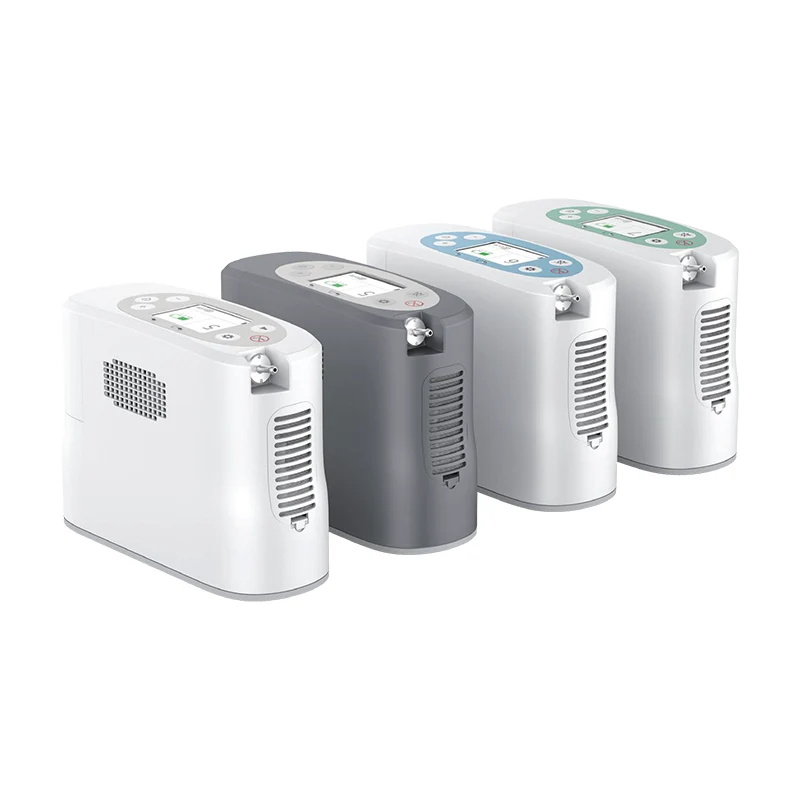
For many households, the first search is for oxygen concentrator Australia options that are reliable, serviceable, and clinically appropriate. The right choice depends on the diagnosis, oxygen targets, and whether oxygen is needed at rest, during sleep, or with activity.
What is an oxygen concentrator, and how does it work?
An oxygen concentrator filters nitrogen from room air to deliver a higher concentration of oxygen through tubing and a nasal cannula or mask. It runs on electricity and provides a set flow rate, usually measured in litres per minute.
In oxygen concentrator Australia listings, patients will typically see two main formats: stationary units for home use and portable units for outings. The clinical aim is not “more oxygen” but the right oxygen level for the right situation.
Who usually needs a concentrator in Australia in 2026?
They are commonly prescribed for chronic lung and heart conditions where blood oxygen levels are low. This can include COPD, interstitial lung disease, bronchiectasis, pulmonary hypertension, advanced heart failure, and some neuromuscular conditions.
In Australia, long-term oxygen therapy is usually considered when testing shows persistent hypoxaemia despite optimal treatment. A clinician should confirm the reason, targets, and safety plan before a household commits to an oxygen concentrator Australia purchase or rental.
How do clinicians decide if oxygen is required?
They decide based on objective testing rather than symptoms alone. This often includes pulse oximetry, arterial blood gas testing, and a structured walking test such as a 6-minute walk test.
Oxygen may be prescribed for rest, exertion, and sleep separately because needs can differ throughout the day. In oxygen concentrator Australia pathways, documentation from a GP, respiratory physician, or hospital team is commonly required by suppliers and funders. Understanding the available options and requirements can help patients choose equipment that aligns with their prescribed oxygen needs and lifestyle.
What is the difference between stationary and portable concentrators?
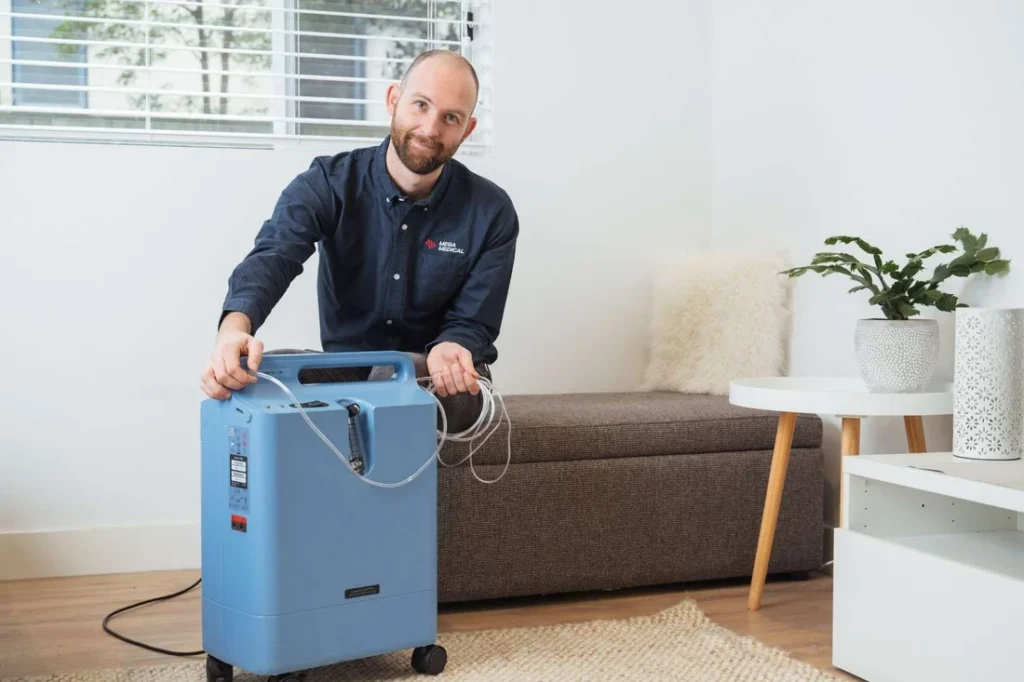
Stationary concentrators are designed for continuous home use and typically deliver higher continuous flows. Portable concentrators are lighter and intended for mobility, but many use pulse-dose delivery rather than continuous flow.
For oxygen concentrator Australia shoppers, this distinction matters because some patients need continuous flow during exertion or sleep. A clinician should match device type to how oxygen is used, not just where it is used.
Which specifications matter most when comparing models?
The most important specifications are the flow capability (continuous vs pulse), maximum output, alarm systems, noise level, weight, and service support. Power use, filter requirements, and expected lifespan also matter for day-to-day living. Comparing features through reliable oxygen concentrator Australia providers can help users select a suitable device with practical support and ongoing maintenance options.
In oxygen concentrator Australia comparisons, patients and carers should also check whether the unit is Therapeutic Goods Administration (TGA) listed and whether local servicing and parts are available. A cheaper unit can become costly if repairs are slow.
How is oxygen prescribed and supplied across Australian states and territories?
Prescribing is done by a clinician, but supply may be funded or arranged through different channels depending on location and eligibility. Public hospital respiratory services, community oxygen programmes, and private providers can all be involved.
Because processes vary, households should ask for a written plan that states the flow rate, hours per day, and when to use oxygen. This helps avoid mismatches when dealing with an oxygen concentrator Australia supplier, insurer, or home care package.
Should patients rent or buy an oxygen concentrator?
Renting can suit short-term needs, uncertain diagnoses, or transitional periods after hospital discharge. Buying can suit stable long-term therapy where ongoing costs and servicing are clear.
In oxygen concentrator Australia decisions, the practical question is who will maintain the unit and how quickly faults are handled. A reliable rental agreement often includes servicing, replacement during repairs, and support for troubleshooting.
What ongoing costs should households expect in 2026?
They should budget for electricity, replacement filters, cannulas and tubing, maintenance, and possible battery replacements for portable devices. Some households also need backup cylinders for emergencies or power outages.
For oxygen concentrator Australia purchases, the upfront price is only part of the cost. It is sensible to ask suppliers for a simple annual cost estimate based on the prescribed hours of use and the model’s maintenance schedule.
How safe is oxygen at home, and what rules should carers follow?
Home oxygen is safe when basic rules are followed, but the biggest risk is fire. No one should smoke near oxygen, and oxygen should be kept away from open flames, gas hobs, heaters, candles, and e-cigarettes.
In oxygen concentrator Australia homes, carers should also manage tubing trip hazards, keep vents clear, and avoid using petroleum-based creams near the nose. They should ask the treating team for a written safety checklist and review it with everyone in the household.
What should patients know about oxygen and sleep, including CPAP?
Some patients desaturate mainly at night, and oxygen may be prescribed for sleep only. Others have sleep apnoea treated with CPAP, and oxygen might be added only if clinically indicated after assessment.
In oxygen concentrator australia settings, oxygen should not be added to CPAP without clinician guidance because it can mask deterioration in some conditions. If there is morning headache, daytime sleepiness, or worsening breathlessness, they should request a review rather than adjusting settings themselves.
How can carers tell if oxygen settings are right?
They should follow the prescription and monitoring plan rather than chasing a “perfect” number at all times. A pulse oximeter can help some households, but readings vary with cold hands, movement, nail varnish, and poor circulation.
With oxygen concentrator australia therapy, carers should watch for clinical red flags: increasing breathlessness, confusion, bluish lips, severe drowsiness, chest pain, or inability to speak in full sentences. If these occur, they should seek urgent care rather than increasing oxygen without advice.
What are common problems patients report, and how are they managed?
Dry nose, nasal irritation, and discomfort from cannulas are common and usually manageable with correct humidification advice, fit changes, and skin care. Noise, heat from the unit, and disrupted sleep can also affect adherence.
In oxygen concentrator Australia households, recurring headaches or marked sleepiness should prompt clinical review, particularly for people at risk of carbon dioxide retention. Equipment problems such as frequent alarms, fluctuating flow, or overheating should be escalated to the supplier promptly.
What questions should patients ask their clinician before choosing a device?
They should ask why oxygen is recommended, what target saturations are expected, and when oxygen should be used. They should also ask whether the need is temporary or long term, and what reassessment schedule is planned.
For oxygen concentrator Australia planning, it helps to ask which device type suits the prescription, whether continuous flow is required, and whether a portable unit is appropriate. They should request the prescription in writing and clarify what to do if symptoms worsen.
What questions should carers ask the supplier before signing anything?
They should ask about warranty length, response times for faults, and whether a loan unit is provided during repairs. They should confirm servicing intervals, filter replacement rules, and what alarms mean in plain language.
In oxygen concentrator Australia transactions, they should also ask if the model is TGA listed, whether the supplier provides training, and what is included in the price (tubing, cannulas, carry bag, batteries). A clear returns and cancellation policy matters, especially after hospital discharge.
How do travel and power outages affect oxygen planning in Australia?
Portable concentrators can help with local outings, but they need battery planning and sometimes vehicle charging options. For flights, airlines have device rules and documentation requirements, and not all concentrators are accepted.
In oxygen concentrator Australia emergency planning, households should discuss backup options, especially in bushfire seasons and storm-prone regions. They should ask the supplier about battery runtime under the prescribed setting and whether a backup cylinder or alternative plan is recommended.
What does a practical “good fit” look like for patients and carers?
A good fit is a device that delivers the prescribed oxygen reliably, is serviceable locally, and does not create daily friction that stops use. It should match the patient’s routine, including sleep, bathing, walking distances, and appointments.
For oxygen concentrator Australia decision-making, carers should consider who will clean filters, manage tubing, and coordinate service calls. The best choice is often the one that the household can use correctly every day, not the one with the most features.
When should they seek a review or second opinion?
They should seek review if oxygen needs increase, symptoms change, or there are repeated exacerbations, hospital visits, or poor tolerance. They should also request reassessment after major treatment changes, such as new inhalers, pulmonary rehabilitation, surgery, or weight changes.
In oxygen concentrator Australia care, a second opinion can be helpful if the prescription is unclear, portability needs are not being met, or safety concerns are unresolved. A respiratory specialist review can clarify whether oxygen is still indicated and whether targets remain appropriate.
What is the simplest next step for families comparing options in 2026?
They should start by getting the prescription and usage plan in writing, then shortlist devices that meet that exact clinical requirement. After that, they should compare service reliability, total cost, and training support before committing.
For oxygen concentrator Australia choices, the household’s goal is safe, consistent oxygen delivery that supports function and comfort. If anything in the plan is unclear, they should pause and ask the treating team to clarify before buying or renting equipment.
FAQs (Frequently Asked Questions)
What is an oxygen concentrator and how does it work in Australia?
An oxygen concentrator filters nitrogen from room air to deliver a higher concentration of oxygen through tubing and a nasal cannula or mask. It operates on electricity and provides a set flow rate, usually measured in litres per minute. In Australia, options include stationary units for home use and portable units for outings, tailored to meet clinical needs rather than simply providing more oxygen.
Who typically requires an oxygen concentrator in Australia in 2026?
Oxygen concentrators are commonly prescribed for chronic lung and heart conditions causing low blood oxygen levels, such as COPD, interstitial lung disease, bronchiectasis, pulmonary hypertension, advanced heart failure, and certain neuromuscular disorders. Long-term oxygen therapy is considered when persistent hypoxaemia remains despite optimal treatment, with clinician confirmation needed before committing to purchase or rental.
How do clinicians determine the need for home oxygen therapy?
Clinicians base decisions on objective testing including pulse oximetry, arterial blood gas analysis, and structured walking tests like the 6-minute walk test. Oxygen may be prescribed separately for rest, exertion, or sleep depending on individual needs. Documentation from GPs or respiratory specialists is typically required by Australian suppliers and funders.
What are the differences between stationary and portable oxygen concentrators?
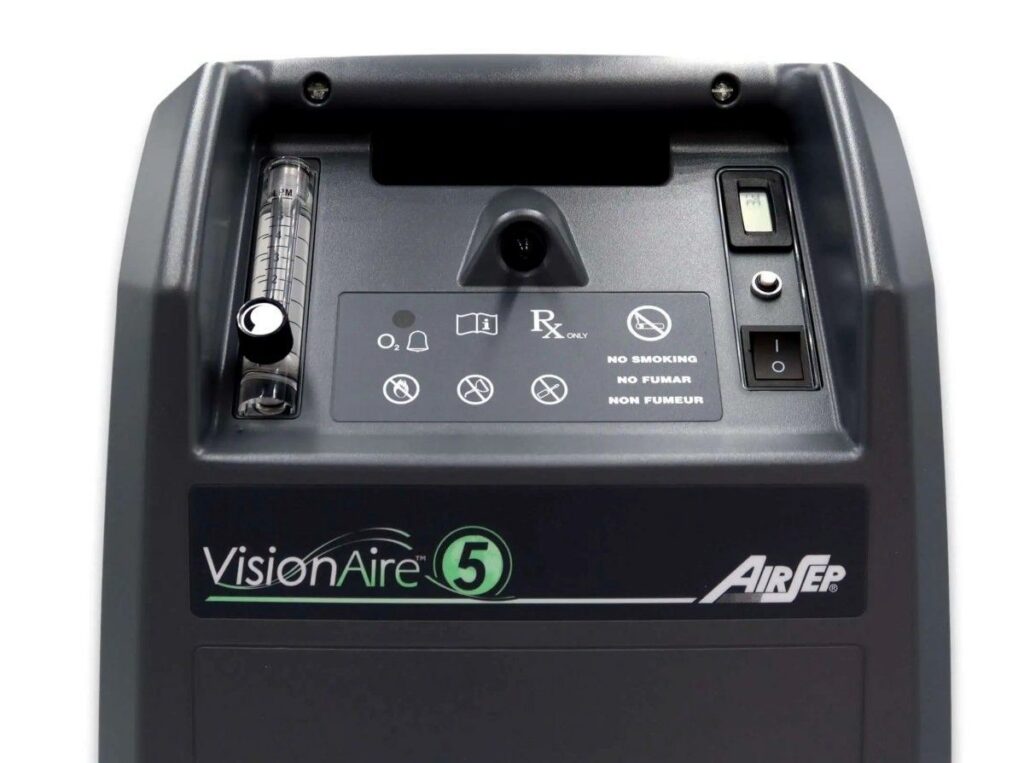
Stationary concentrators are designed for continuous home use with higher continuous flow capabilities. Portable concentrators are lighter and intended for mobility but often use pulse-dose delivery instead of continuous flow. Matching device type to the patient’s oxygen usage pattern—whether at rest, during activity, or sleep—is essential rather than choosing based solely on location of use.
Which specifications should be considered when comparing oxygen concentrator models in Australia?
When comparing equipment options, patients and carers should review important specifications before choosing Home Oxygen solutions. Key factors include flow capability (continuous or pulse delivery), maximum output, alarm systems, noise levels, weight, power consumption, filter requirements, expected lifespan, and available service support. Checking TGA listing status and access to local servicing and replacement parts can also improve reliability, safety, and long-term value. Considering these details helps ensure the selected equipment fits both medical requirements and everyday living needs.
What safety precautions should carers follow when using home oxygen concentrators?
Home oxygen is safe when basic rules are observed: no smoking near oxygen; keep it away from open flames, gas hobs, heaters, candles, and e-cigarettes; manage tubing trip hazards; keep vents clear; avoid petroleum-based creams near the nose. Carers should obtain a written safety checklist from the treating team and review it regularly with all household members to minimise fire risk and other hazards.