
Top 5 Things to Look for When Buying Home Oxygen
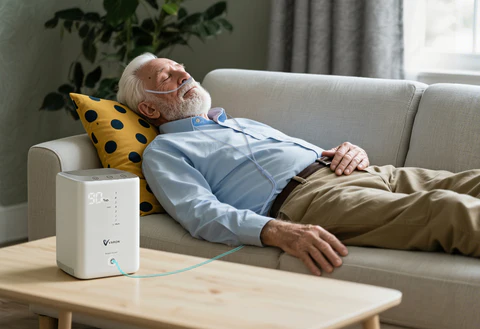
This guide is written for patients and carers weighing options in real life, not just on paper. It focuses on what matters most when buying home oxygen, including equipment types, safety, ongoing costs, and the support that follows delivery.
What prescription details should they confirm before buying home oxygen?
They should confirm the exact flow rate, when oxygen must be used, and whether it needs to be continuous or only during exertion or sleep. These details drive the device choice and can prevent under treatment or wasted spend when buying home oxygen.
They should also check whether they need a nasal cannula or mask, and whether humidification is recommended. If the prescription includes “titrate to SpO₂”, they should ask who sets that plan and how it will be monitored at home.
They should verify the target oxygen saturation range, especially if they have COPD or a risk of carbon dioxide retention. This is not something to guess, and it can affect safe use.
They should ask the prescribing clinician if a formal walking test, overnight oximetry, or ABG test was used, and whether retesting is expected. In Australia, many patients will have follow-up testing after stabilisation or after a hospital admission.
Which oxygen system best fits their day-to-day needs?
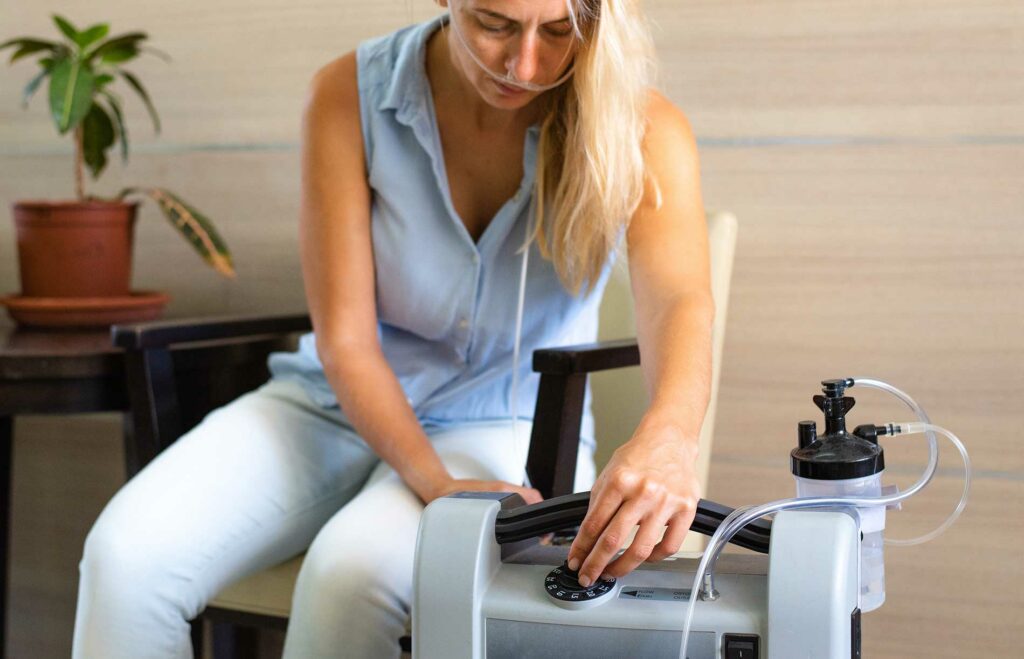
The best system is the one that matches how they live, not just what looks convenient in a brochure. When buying home oxygen, they usually choose between an oxygen concentrator (home base), portable oxygen concentrator (on the move), and cylinders (backup or primary, depending on needs).
A standard home concentrator suits people who mainly stay at home and need oxygen for long periods. It plugs into mains power and provides a steady flow, but it is not designed for leaving the house.
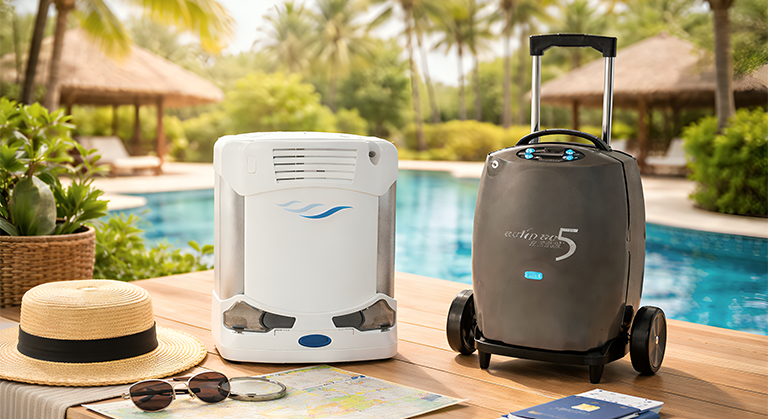
Portable oxygen concentrators suit people who need mobility, such as trips to the shops, rehab, or appointments. Not all models deliver the same maximum flow or support continuous flow, so the prescription matters.
Cylinders can work well as a backup for power outages, as a short trip option, or when a high flow rate is needed that a portable concentrator cannot reliably provide. The trade-off is weight, refills, and planning.
They should also think about noise, heat output, and where the device will sit. In a small unit or bedroom, these practical details can affect sleep and adherence.
How portable does the setup need to be in Australian conditions?
They should decide how far they need to travel, how often, and how they normally get around. When buying home oxygen, portability is not only about device weight; it also includes battery runtime, charging options, and whether the person can manage it without help. Choosing the right home oxygen equipment can make daily activities easier while supporting independence and confidence when moving between locations.
Battery life should be judged against real trips, including waiting times at clinics and traffic delays. If a portable unit lasts four hours on paper, it may not last four hours on higher settings.
They should consider the Australian climate. Hot days can affect comfort, and carrying equipment in the sun can be tiring. A lightweight unit with a shoulder strap may still feel heavy during summer, especially for people with limited stamina.
Carers should check whether the person can lift the device, change batteries, and manage tubing without becoming breathless. If not, a different configuration or more support may be safer.
They should also confirm airline and travel requirements if flights are likely. Some portable concentrators are accepted by airlines, but the person still needs a plan for batteries, documentation, and oxygen needs on the ground. Checking home oxygen equipment options with suitable travel features can help ensure the device meets both everyday needs and future mobility requirements.
What safety features and home checks matter most?
Oxygen supports life, but it also increases fire risk, so safety planning is part of the purchase decision. When buying home oxygen, they should prioritise clear supplier education, written safety instructions, and a practical home setup.
They should ensure there is a strict no smoking rule in the home and around the equipment, including vapes. Smoking is a leading cause of oxygen-related fires, and the risk extends to visitors.
They should keep oxygen away from open flames and heat sources such as gas cooktops, candles, fireplaces, and heaters. In many Australian homes, portable heaters are common in winter, so placement matters.
They should ask about safe distances, tubing management to prevent trips, and whether a fire break is recommended. Tubing should be routed to reduce falls, especially for older adults.
They should confirm how to store cylinders safely if they are part of the plan. Cylinders should be secured upright and stored away from direct sunlight and heat, particularly in garages that can become very hot.
They should also plan for power outages if using a concentrator. In some Australian regions, storms and summer heat can cause outages, so a backup cylinder or alternative arrangement may be important.
If the person uses oxygen at night, they should ensure the setup will not create hazards in the dark. A bedside layout that avoids tangles and falls is often more important than the brand name.
What should they compare in costs, servicing, and supplier support?
They should compare total cost of ownership, not just the purchase price. When buying home oxygen, ongoing costs can include consumables, filter changes, cannulas, tubing, servicing, battery replacements, cylinder refills, and call-out fees.
They should ask for a written quote that lists what is included and what is extra. Some suppliers bundle servicing and replacements, while others charge separately.
They should confirm servicing intervals and who performs them. A reputable Australian supplier should provide scheduled maintenance and clear instructions for cleaning and basic troubleshooting.
They should ask what happens if the device fails. A fast replacement policy and after-hours support can matter, especially for people who rely on oxygen overnight or continuously.
They should also check delivery arrangements, setup training, and whether the supplier will review the home layout for safety. Good providers do not just drop off equipment; they teach patients and carers how to use it properly.
They should check warranty length, what it covers, and what voids it. If the person is considering second-hand equipment, they should be cautious and confirm servicing history and performance testing.
They should also ask about documentation for the prescribing clinician, such as compliance data or usage logs if required. This can be relevant when buying home oxygen for conditions where reassessment is planned.
How can they make sure the equipment will actually be used correctly?
They should plan for comfort, routine, and training from day one. When buying home oxygen, the biggest risk is not choosing the “wrong brand”; it is ending up with equipment that feels hard to use, so it gets used less than prescribed.
They should trial cannula types and check skin sensitivity, especially around the ears and nostrils. Simple changes, such as softer tubing or protective wraps, can make long hours of use more tolerable.
They should ask the supplier to demonstrate alarms, flow settings, battery changes, and cleaning. Training should be repeated if the person is anxious, fatigued, or newly discharged from hospital.
Carers should practise key tasks too. It should not rely on one person remembering everything, particularly if the patient becomes unwell.
They should keep a basic plan near the device: who to call, what to check if alarms sound, and what to do during a power outage. This reduces stress and avoids rushed decisions.
They should also schedule follow-up with the clinician to confirm the oxygen plan is working. Breathlessness can have multiple causes, and oxygen is only one part of care.
What are the top 5 takeaways when buying home oxygen?
They should focus on five practical checks that protect safety and improve day-to-day life. When buying home oxygen, these priorities usually lead to a better outcome than shopping by price alone.
- Confirm the prescription details, including flow rate, timing, and target saturation range.
- Match the oxygen system to real routines, including time at home versus time out.
- Check portability honestly, including battery life and who will carry and manage it.
- Put safety first, with a no smoking rule, sensible placement, and a backup plan for outages.
- Compare ongoing costs and supplier support, including servicing, replacement policy, and training.
If they are unsure, they should bring the prescription and a typical weekly routine to a clinician or reputable Australian supplier and ask what setup best fits. The goal of buying home oxygen is not just having equipment at home; it is helping the person use it safely and consistently, in a way they can sustain.
FAQs (Frequently Asked Questions)
What prescription details should I confirm before buying home oxygen in Australia?
Before buying home oxygen, confirm your exact flow rate, when oxygen must be used (at rest, during activity, or overnight), and whether it needs to be continuous or intermittent. Also, check if you require a nasal cannula or mask, and if humidification is recommended. If your prescription includes ‘titrate to SpO₂,’ clarify who sets this plan and how it will be monitored at home. Verify the target oxygen saturation range, especially if you have COPD or risk of carbon dioxide retention. Ask your clinician about any formal walking tests, overnight oximetry, or arterial blood gas tests used and whether retesting is expected.
Which type of oxygen system best suits day-to-day needs when buying home oxygen?
Choosing the best oxygen system depends on your lifestyle. Options include a standard home concentrator for those mainly at home needing steady flow; portable oxygen concentrators for mobility during trips or appointments; and cylinders as backups or for high flow rates. Consider factors like maximum flow delivery, continuous flow support, noise levels, heat output, and device placement in your living space to ensure comfort and adherence.
How do I assess portability needs for home oxygen in Australian conditions?
Assess how far and often you need to travel and your usual transport modes. Portability involves device weight, battery runtime, charging options, and user ability to manage equipment independently. Remember that battery life can vary with settings and real-world conditions. Consider Australia’s climate—hot weather can affect comfort carrying equipment. Ensure you can lift the device and manage tubing without breathlessness. If flying, check airline acceptance of portable concentrators and prepare plans for batteries and documentation.
What safety measures are essential when using home oxygen?
Safety is critical when using home oxygen due to increased fire risk. Ensure strict no smoking rules around equipment and visitors. Keep oxygen away from open flames and heat sources like gas cooktops, candles, fireplaces, heaters, especially portable heaters common in Australian winters. Manage tubing to prevent trips and falls; consider fire breaks if recommended. Store cylinders upright away from direct sunlight and heat (e.g., garages). Plan for power outages with backup cylinders or alternatives. For night use, arrange bedside setups that avoid tangles and hazards in the dark.
What ongoing costs and supplier support should I consider when buying home oxygen?
Look beyond purchase price to total ownership costs including consumables (cannulas, tubing), filter changes, servicing fees, battery replacements, cylinder refills, and call-out charges. Request a detailed written quote specifying inclusions and extras. Confirm servicing schedules and who performs maintenance. Choose suppliers offering scheduled maintenance, clear cleaning instructions, troubleshooting help, fast replacement policies if devices fail, after-hours support—especially important for continuous users—and reliable delivery arrangements.
How does my daily routine influence the choice of home oxygen equipment?
Choosing the right equipment depends on daily routines, oxygen requirements, and lifestyle needs. For patients who spend most of their time at home and require continuous oxygen flow, an Oxygen Concentrator Australia option with reliable mains power may be suitable. Those who need greater mobility for errands or appointments may prefer a portable concentrator with the right flow capacity. Patients requiring higher oxygen levels or backup solutions may need to consider cylinders while planning for refills, storage, and weight limitations. Matching equipment to individual needs can improve comfort, safety, treatment adherence, and overall independence.