
Comparing Your Options for Sleep Test Brisbane
This guide compares the main pathways for a sleep test Brisbane patients can access, what each option involves, and how to decide what fits their health needs, budget, and timeline.
What is a sleep test and what does it measure?
A sleep test records breathing, oxygen levels, heart rate, and sleep patterns to identify disorders such as obstructive sleep apnoea. Some tests also track brain activity, muscle tone, and limb movements to rule out less common conditions.
A sleep test Brisbane service may offer either a home-based study or an in-lab study, depending on clinical needs and referral pathways.
Who should consider a sleep test in Brisbane?
They should consider testing if they snore loudly, choke or gasp at night, wake unrefreshed, or feel excessively sleepy during the day. Partners often notice breathing pauses that the sleeper does not remember.
A sleep test Brisbane provider may also recommend assessment for people with high blood pressure, atrial fibrillation, type 2 diabetes, obesity, or a high-risk occupation where fatigue is dangerous.
What are the main types of sleep test available in Brisbane?
Most people will choose between an in-lab polysomnography and a home sleep apnoea test. Some clinics also offer limited-channel screening devices, but those are not always suitable for diagnosis.
When comparing a sleep test Brisbane option, the key differences are the amount of data captured, convenience, and how confidently the test can exclude other sleep disorders.
What happens during an in-lab sleep study?
An in-lab study is usually performed overnight in a sleep laboratory with a sleep technician available. It records detailed signals such as brainwaves (EEG), breathing effort, airflow, oxygen saturation, heart rhythm, limb movements, and body position.
A sleep test Brisbane in a lab is often preferred when symptoms are complex, when previous home testing was inconclusive, or when another sleep disorder is suspected.
What happens during a home sleep test?
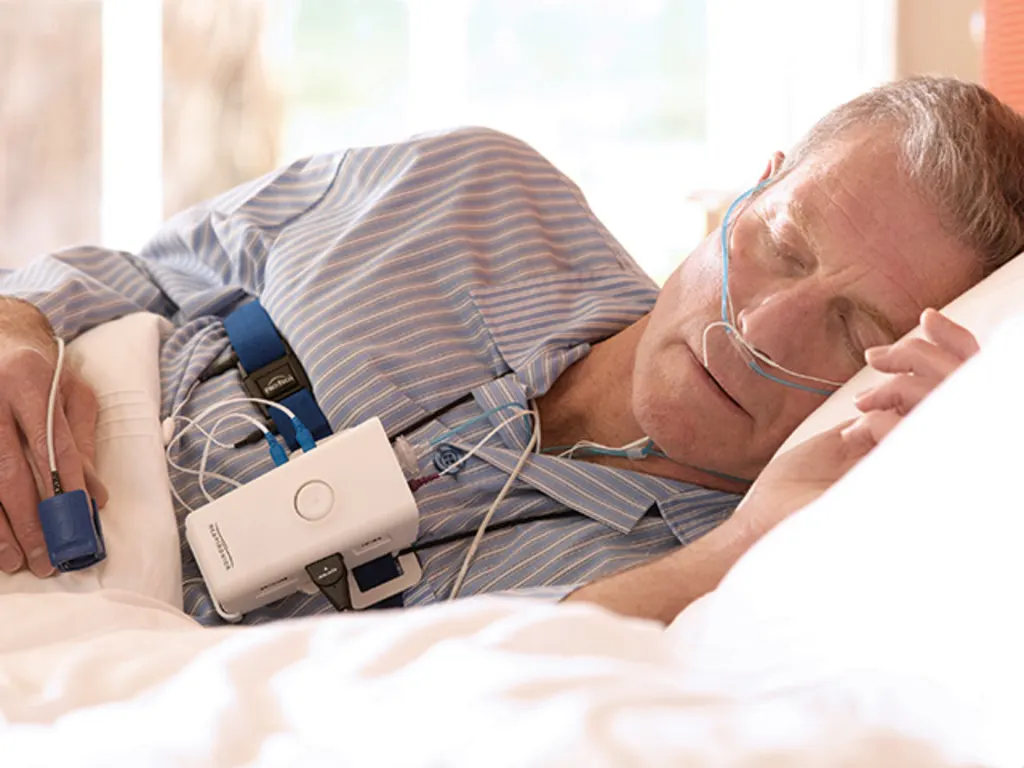
A home sleep test is typically a portable device worn overnight in their own bed. Depending on the device, it may record airflow, breathing effort, oxygen levels, heart rate, and snoring; then the data is analysed by a clinician.
For many straightforward cases of suspected obstructive sleep apnoea, a sleep test Brisbane at home can be an efficient first step because it is more convenient and may have shorter waiting times.
Which option is more accurate: home or in-lab?
In-lab testing generally provides the most comprehensive information and can detect a wider range of conditions. Home tests can be highly effective for diagnosing moderate to severe obstructive sleep apnoea in the right patient group. Understanding the differences between testing options can help patients choose a suitable sleep test Brisbane pathway based on their symptoms, needs, and medical guidance.
Accuracy depends on the clinical question, correct device setup, and whether the test captures enough sleep time. When choosing a sleep test Brisbane service, they should ask what conditions the test can and cannot assess.
How do they get a referral for a sleep test in Brisbane?
Many people start with a GP who reviews symptoms, medical history, medications, and risk factors, then provides a referral. Some private providers also offer direct access pathways, but a GP remains helpful for coordinating broader care.
For a sleep test Brisbane referral, they should bring notes about snoring, witnessed apnoeas, morning symptoms, and daytime sleepiness, plus any smartwatch sleep data if available.
What costs should they expect and what can Medicare cover?
Costs vary widely depending on whether the study is done privately or through a public pathway, and whether it is performed at home or in a lab. Medicare rebates may apply for eligible in-lab studies and specialist consultations, but out-of-pocket costs can still occur.
For a sleep test Brisbane quote, they should ask for a written breakdown that includes the test fee, reporting fee, consultation costs, and any device hire charges. Comparing these details upfront can help avoid unexpected expenses and provide a clearer understanding of the total cost involved.
How long do results take and what do they receive?
Turnaround times depend on provider workload and whether the study requires manual scoring. Some home studies may be reported within days, while in-lab studies can take longer due to complexity.
A sleep test Brisbane report usually includes an apnoea-hypopnoea index (AHI), oxygen desaturation information, heart rate trends, and an interpretation with treatment recommendations where appropriate.
What should they look for in a Brisbane sleep clinic or provider?
They should prioritise services that use validated equipment, provide clinician interpretation, and offer clear next steps after diagnosis. It also helps when the provider can coordinate treatment trials, follow-up, and long-term monitoring rather than only issuing a report.
When comparing a sleep test Brisbane provider, they should ask who reads the study, whether follow-up is included, and how urgent issues like very low oxygen levels are escalated.
What are the likely next steps after a sleep test?
If obstructive sleep apnoea is confirmed, treatment often includes CPAP therapy, mandibular advancement splints through a qualified dentist, weight management support, positional therapy, and addressing nasal obstruction where relevant. For some people, specialist review may consider surgical options.
A sleep test Brisbane result should lead to a plan tailored to severity, symptoms, comorbidities, and patient preference, with follow-up to confirm the therapy is working.
How can they choose the best option for their situation?
They should match the test type to the clinical question and their risk profile. Home testing often suits uncomplicated suspected obstructive sleep apnoea, while in-lab testing suits complex symptoms, safety-critical occupations, suspected parasomnias, or inconclusive prior testing.
If they are unsure, a GP or sleep physician can advise whether a sleep test Brisbane at home is appropriate or whether a laboratory study is the safer, more informative choice.
What questions should they ask before booking a sleep test?
They should ask what the test can diagnose, what signals are recorded, and what happens if the data is incomplete. It is also reasonable to ask about total costs, expected timelines, and who provides follow-up care.
Before committing to a sleep test Brisbane booking, they should confirm whether the provider offers clinical support for CPAP initiation or dental splint pathways, not only the diagnostic study itself.
What is the practical takeaway for patients and carers in Brisbane?
They do not need to guess why sleep feels broken, because testing can provide a clear answer and a path to treatment. The best choice is the one that reliably answers the clinical question with the least friction and the right clinical oversight.
For many, starting with a well-supported sleep test Brisbane home study is practical, while others will benefit most from the depth of an in-lab polysomnography. Either way, a clear report and proper follow-up matter as much as the test itself.
FAQs (Frequently Asked Questions)
What is a sleep test and what conditions can it diagnose in Brisbane?
A sleep test records breathing, oxygen levels, heart rate, and sleep patterns to identify disorders such as obstructive sleep apnoea. Some tests also monitor brain activity, muscle tone, and limb movements to detect less common sleep conditions. In Brisbane, sleep tests can be conducted either at home or in a lab depending on clinical needs.
Who should consider undergoing a sleep test in Brisbane?
Individuals who snore loudly, experience choking or gasping during sleep, wake up unrefreshed, or feel excessively sleepy during the day should consider a sleep test. Additionally, people with high blood pressure, atrial fibrillation, type 2 diabetes, obesity, or those in high-risk occupations where fatigue is dangerous may also be recommended for assessment by a Brisbane sleep test provider.
What are the main types of sleep tests available in Brisbane and how do they differ?
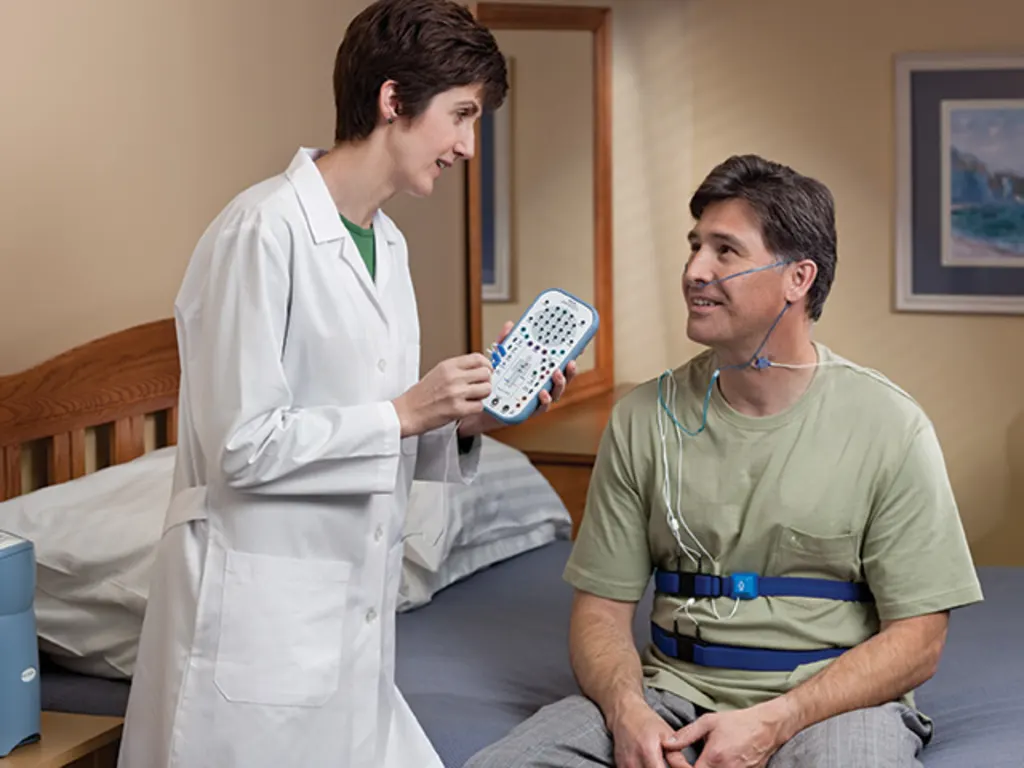
The primary sleep tests in Brisbane include in-lab polysomnography and home sleep apnoea tests. In-lab studies provide comprehensive data including brainwaves and limb movements with technician support overnight. Home tests use portable devices worn during regular sleep to record airflow, breathing effort, oxygen levels and heart rate. The choice depends on the amount of data needed, convenience, and diagnostic confidence.
How accurate are home sleep tests compared to in-lab studies for diagnosing obstructive sleep apnoea?
In-lab testing offers the most comprehensive information and can detect a wider range of conditions. Home sleep tests are highly effective for diagnosing moderate to severe obstructive sleep apnoea in appropriate patients. Accuracy depends on proper device setup, sufficient recorded sleep time, and the specific clinical question being addressed.
How do I get a referral for a sleep test in Brisbane and what information should I provide?
Most people begin by speaking with their GP, who will review symptoms such as snoring, daytime sleepiness, breathing interruptions during sleep, and relevant medical history before recommending the next steps. Understanding Melbourne Sleep Study Cost can help patients and carers prepare for potential expenses when considering different testing options. For a sleep test referral, they should bring details about snoring severity, witnessed apnoeas, morning headaches, fatigue levels, and any relevant smartwatch or sleep tracking data that may support the assessment process.
What costs are involved with a sleep test in Brisbane and does Medicare cover any part of it?
Costs vary depending on whether the study is performed privately or publicly and if it is done at home or in-lab. Medicare rebates may apply for eligible in-lab studies and specialist consultations but out-of-pocket expenses can still occur. It is advisable to request a written quote detailing test fees, reporting charges, consultation costs, and any device hire fees when booking a Brisbane sleep test.