
Everything You Need to Know About Home Oxygen Concentrator Technology
What Is a Home Oxygen Concentrator and How Does It Work?
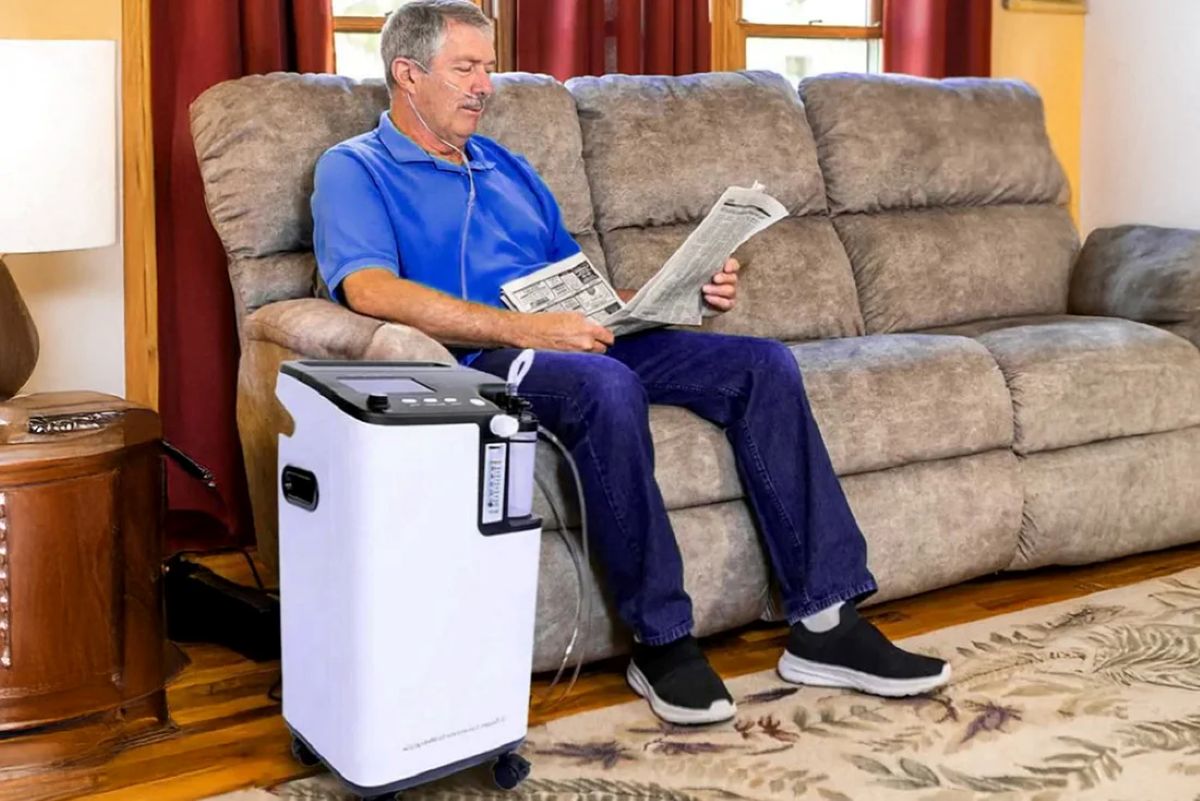
A home oxygen concentrator is a medical device that extracts oxygen from the surrounding air and delivers it at higher concentrations to patients who need supplemental oxygen therapy. Unlike oxygen tanks that store pre-compressed gas, concentrators actively produce oxygen-enriched air on demand, eliminating the need for refills or deliveries.
How Does an Oxygen Concentrator Work?
The oxygen concentrator function centres on a simple principle: separating oxygen from other gases in ambient air. Room air contains approximately 78% nitrogen, 21% oxygen, and 1% other gases. The concentrator pulls in this ambient air and removes the nitrogen, resulting in a concentrated oxygen output of over 90% purity.
The concentration process follows these steps:
- Air is drawn into the device through an intake filter
- A compressor pressurises the filtered air
- The pressurised air passes through specialised filters containing zeolite minerals
- Nitrogen molecules adhere to the zeolite whilst oxygen passes through
- Concentrated oxygen collects in a reservoir for delivery to the patient
- Trapped nitrogen is released back into the atmosphere
Pressure Swing Adsorption (PSA) serves as the core mechanism enabling this nitrogen removal process. PSA technology uses the property that gases under pressure are attracted to solid surfaces differently. Zeolite minerals preferentially attract nitrogen molecules at high pressure, allowing oxygen to flow through. When pressure drops, the zeolite releases the nitrogen, resetting the system for the next cycle.
This continuous cycle of pressurisation and depressurisation allows the concentrator to produce a steady stream of medical-grade oxygen without storing compressed gases. The entire process occurs silently and efficiently, transforming ordinary room air into therapeutic oxygen within minutes of switching on the device.
What Are the Key Components of Home Oxygen Concentrators?
A home oxygen concentrator contains five essential components working together: an air compressor, zeolite molecular sieve cylinders, a pressure-equalising reservoir, valves, and tubing. Each part plays a specific role in transforming room air into medical-grade oxygen.
The Air Compressor
The air compressor serves as the power source that drives the entire oxygen concentration process. This component draws ambient air into the system and pressurises it to approximately 20 PSI (pounds per square inch). The compressed air then flows through the system at sufficient pressure to enable the nitrogen adsorption process within the molecular sieves.
Zeolite Molecular Sieve Cylinders
The zeolite molecular sieve represents the heart of oxygen concentration technology. These cylinders contain a crystalline aluminosilicate mineral with microscopic pores sized precisely to trap nitrogen molecules whilst allowing smaller oxygen molecules to pass through. Most modern concentrators feature two or more sieve beds arranged to alternate between adsorption and regeneration phases, ensuring continuous oxygen production without interruption.
Pressure-Equalising Reservoir
The pressure-equalising reservoir acts as a buffer tank that stabilises oxygen flow and maintains consistent delivery pressure. This component smooths out fluctuations that occur during the switching cycles between sieve beds. The reservoir ensures patients receive a steady stream of concentrated oxygen rather than experiencing pulsating delivery that could affect therapy effectiveness.
Valves and Control Systems
Precision valves orchestrate the timing and direction of airflow throughout the concentrator. These components rapidly switch between sieve beds—typically every 10 to 20 seconds—directing pressurised air to one bed whilst simultaneously venting nitrogen from the other. Electronic control systems monitor pressure levels and coordinate valve timing to optimise oxygen purity and production efficiency.
Tubing Network
The tubing network creates pathways connecting all components whilst maintaining system pressure integrity. Medical-grade tubing routes compressed air from the compressor to the molecular sieves, channels concentrated oxygen to the reservoir, and delivers the final product to the patient interface. Proper tubing design minimises pressure drops and prevents contamination of the oxygen stream.
How Does Pressure Swing Adsorption (PSA) Technology Enable Oxygen Concentration?
PSA technology separates oxygen from ambient air by exploiting nitrogen’s tendency to adhere to zeolite minerals under pressure. The PSA process operates in a continuous cycle where nitrogen molecules are trapped whilst oxygen passes through, creating a concentrated oxygen stream for medical use.
The Two-Phase PSA Cycle
The adsorption phase begins when compressed air enters a zeolite-filled cylinder at high pressure (typically 20-30 PSI). Nitrogen molecules bind to the zeolite mineral surface due to their physical properties, whilst smaller oxygen molecules remain largely unbound. This selective adsorption allows oxygen-enriched gas to flow through to the patient delivery system.
During the desorption phase, pressure drops rapidly in the cylinder. The zeolite releases trapped nitrogen molecules, which are vented to the atmosphere through exhaust valves. This pressure swing—from high to low—enables the zeolite to regenerate and prepare for the next adsorption cycle.
Why Zeolite Minerals Are Essential
Zeolite minerals function as molecular sieves with microscopic pores sized precisely to trap nitrogen whilst allowing oxygen to pass. The crystalline structure of zeolite creates a vast internal surface area where nitrogen adsorption occurs. Common zeolite types used in oxygen concentrators include synthetic variants engineered for optimal nitrogen selectivity.
The mineral’s ability to withstand thousands of pressure cycles without degradation makes it ideal for continuous oxygen production. Most concentrators use two or more zeolite beds operating in alternating cycles, ensuring uninterrupted oxygen flow whilst one bed regenerates.
Oxygen Purity Levels Achieved
Home oxygen concentrators typically deliver oxygen purity levels between 90-96%, meeting medical-grade standards for long-term oxygen therapy. The remaining 4-10% consists primarily of argon and trace amounts of other atmospheric gases. Flow rates influence purity—higher flow settings may reduce concentration slightly as the PSA process has less contact time with zeolite beds.
Medical applications require minimum oxygen concentrations of 82% at prescribed flow rates, though most modern devices exceed this threshold. Built-in oxygen sensors continuously monitor purity levels, triggering alarms if concentration drops below safe parameters.
What Are the Differences Between Stationary and Portable Oxygen Concentrators?
Stationary and portable oxygen concentrators serve the same fundamental purpose but differ dramatically in design, capabilities, and intended use. Stationary units remain fixed in one location—typically a patient’s home—whilst portable models offer mobility for active lifestyles.
Size and Weight Specifications
Stationary concentrators are substantial pieces of medical equipment, often weighing between 15 to 30 kilograms and standing roughly the size of a small filing cabinet. These devices prioritise performance over portability, housing larger compressors and molecular sieve beds to deliver consistent oxygen output.
Portable oxygen concentrators represent a significant engineering achievement, weighing as little as 2 to 5 kilograms. Their compact dimensions—comparable to a handbag or small rucksack—make them genuinely wearable. This dramatic size reduction required innovations in component miniaturisation whilst maintaining therapeutic effectiveness.
Power Source Distinctions
The power requirements between stationary vs portable concentrators reveal their fundamental design philosophies:
Stationary Units:
- Operate exclusively on mains electricity (typically 220-240V)
- Draw 300-600 watts during operation
- Require backup power solutions during electrical outages
- Run continuously without power interruption concerns
Portable Units:
- Feature rechargeable lithium-ion batteries as primary power
- Offer 2-8 hours of battery life depending on flow settings
- Include AC/DC adapters for home and vehicle charging
- Weigh significantly less due to advanced battery technology
Lithium-ion batteries revolutionised portable oxygen therapy by providing sufficient power density in compact packages. Earlier portable models using different battery chemistries proved too heavy or offered inadequate runtime for meaningful mobility.
Flow Rate Capabilities
Stationary concentrators deliver higher continuous flow rates, typically ranging from 5 to 10 litres per minute. This capacity accommodates patients requiring substantial oxygen supplementation, including those with severe chronic obstructive pulmonary disease (COPD) or other advanced respiratory conditions. The larger molecular sieve beds and powerful compressors enable this sustained high output.
Portable concentrators generally provide lower flow rates—usually 0.5 to 3 litres per minute—but offer the advantage of pulse dose delivery systems. These systems release oxygen only during inhalation, conserving battery life and allowing for longer usage periods. While not suitable for all patients, this feature can be beneficial for individuals with stable breathing patterns or those who primarily require supplemental oxygen during activities.
What Types of Oxygen Delivery Methods Are Used with Concentrators?
Oxygen concentrators pair with different delivery systems based on the patient’s hypoxia severity and oxygen requirements. The choice of delivery method determines how efficiently oxygen reaches the patient’s lungs and impacts comfort, mobility, and treatment effectiveness.
How Do Continuous Flow and Pulse Dose Modes Differ?
Continuous flow delivery provides a constant stream of oxygen regardless of the patient’s breathing pattern. The concentrator produces oxygen at a set rate (measured in litres per minute), delivering it steadily through the chosen interface. This mode suits patients who need consistent oxygen levels, particularly during sleep when breathing patterns become irregular.
Pulse mode delivery releases oxygen only when the device detects inhalation. A sensor monitors breathing patterns and triggers oxygen bursts at the start of each breath. This method conserves oxygen by eliminating waste during exhalation, extending battery life in portable units by up to 50%. Pulse dose systems work best for ambulatory patients with predictable breathing patterns.
The key distinction lies in efficiency versus consistency. Pulse mode maximises oxygen conservation and device runtime, whilst continuous flow ensures uninterrupted supply regardless of breathing irregularities or sleep apnoea episodes.
What Are the Most Common Oxygen Delivery Devices?
Nasal cannulas represent the most widely used delivery interface with oxygen concentrators. These lightweight tubes rest beneath the nostrils, delivering oxygen at flow rates between 1-6 litres per minute. Their popularity stems from comfort during extended wear, minimal interference with daily activities, and compatibility with both stationary and portable concentrators.
Low-flow devices
Low-flow devices include:
- Standard nasal cannulas (1-6 L/min)
- Simple face masks (5-10 L/min)
- Partial rebreather masks (6-10 L/min)
These devices mix oxygen with room air during inhalation, making the final oxygen concentration variable based on breathing rate and depth.
High-flow devices
High-flow devices deliver precise oxygen concentrations:
- Venturi masks with colour-coded adapters
- High-flow nasal cannulas (up to 60 L/min)
- Non-rebreather masks with reservoir bags
High-flow systems prove essential for patients requiring specific oxygen concentrations due to conditions like chronic obstructive pulmonary disease (COPD) or post-operative care.
Understanding these various delivery methods empowers healthcare professionals to tailor treatment plans effectively, optimising patient outcomes through personalised oxygen therapy strategies.
What Are the Advantages and Limitations of Using Home Oxygen Concentrators?
Home oxygen concentrators offer an unlimited oxygen supply as long as electrical power remains available, eliminating the recurring costs and logistical challenges of cylinder refills. Patients can generate oxygen continuously at home without scheduling deliveries or monitoring tank levels.
Cost-Effectiveness Compared to Alternative Systems
Concentrators prove significantly more economical than compressed gas cylinders or liquid oxygen systems over extended periods. Liquid oxygen costs approximately four times more than concentrator operation, whilst gas cylinders require regular professional refills that accumulate substantial expenses. The typical concentrator operates for around 1,500 hours of continuous use before requiring maintenance, spreading the initial investment across years of therapy.
Convenience Through Self-Sufficiency
The no refilling needed design transforms daily life for oxygen-dependent patients. Gas cylinders demand constant inventory management, with patients needing to track usage rates and coordinate timely replacements. Liquid oxygen systems evaporate even when not in use, creating waste and requiring refills every one to two weeks. Concentrators simply draw from ambient air, providing independence from supply chains and delivery schedules.
Electrical Dependence Creates Vulnerability
The primary limitation centres on dependence on electricity for operation. Power outages immediately halt oxygen production, creating potentially dangerous situations for patients requiring continuous therapy. Mains power failures during storms, grid maintenance, or emergencies leave concentrator users without their medical support system.
Essential Backup Power Requirements
Patients must establish comprehensive backup power requirements to ensure uninterrupted oxygen access. Recommended solutions include:
- Battery backup systems rated for several hours of operation
- Portable oxygen cylinders as emergency reserves
- Generator access for extended outages
- Documented emergency response plans coordinated with healthcare providers
The electrical consumption of concentrators, whilst modest during normal operation, becomes a consideration for households with unstable power supplies or those in regions prone to frequent outages. Stationary units typically draw 300-600 watts, adding to monthly electricity costs.
Noise and Maintenance Considerations
Concentrators produce operational noise from compressors and fans, typically ranging from 40-60 decibels. This continuous sound may disturb sleep or quiet activities, particularly with older models. Regular
How Have Advances in Technology Improved Home Oxygen Therapy?
Home oxygen concentrator technology has transformed dramatically since its introduction in the early 1970s. The earliest devices were bulky, noisy, and required lengthy start-up periods, making them impractical for many patients needing supplemental oxygen at home.
What Role Have Multi-Bed Molecular Sieves Played in Modern Concentrators?
Multi-bed molecular sieve systems represent one of the most significant PSA advancements in oxygen concentrator design. These systems use multiple zeolite-filled cylinders working in alternating cycles, allowing one bed to adsorb nitrogen whilst another releases it. This innovation enables continuous oxygen production without interruption, eliminating the gaps that plagued earlier single-bed designs.
Modern multi-bed configurations achieve ramp-up times under two minutes, compared to the 10-15 minute warm-up periods required by older models. Patients can now access oxygen therapy almost immediately after switching on their device, a crucial improvement for emergency situations or unexpected power interruptions.
The efficiency gains from multi-bed systems extend beyond speed. These configurations maintain more consistent oxygen concentration levels throughout operation, typically sustaining purity above 90% even during peak demand periods. The alternating pressure cycles also reduce mechanical stress on individual components, extending device lifespan to approximately 1,500 hours of continuous use.
How Have Battery Technology Improvements Changed Portable Oxygen Therapy?
Lithium-ion battery integration revolutionised portable oxygen concentrators in the 2000s. Early portable units relied on heavy lead-acid batteries that added significant weight and provided limited operating time, often restricting patients to short trips outside their homes.
Modern lithium-ion batteries deliver:
- Extended operating times of 4-8 hours on a single charge
- Significantly reduced weight (portable units now weigh 2-5 kg versus 10+ kg for older models)
- Faster recharge cycles allowing multiple uses throughout the day
- Greater temperature tolerance for varied environmental conditions
This battery technology breakthrough enabled FAA approval for portable concentrators on commercial flights. Patients can now travel internationally with their oxygen therapy devices, something previously impossible with compressed gas cylinders or liquid oxygen systems. The improved energy density of lithium-ion cells allows manufacturers. You may like to visit https://hollywoodeyesflorida.com/choosing-the-best-cpap-masks-a-buyers-guide/ to get more about choosing the best CPAP masks: a buyer’s guide.
What Should Patients Consider When Choosing a Home Oxygen Concentrator?
Selecting the right home oxygen concentrator begins with understanding your prescribed flow rate requirements. Your healthcare provider will determine whether you need 0.5 to 2 litres per minute for mild conditions or higher flows up to 10 L/min for more severe respiratory needs. This prescription directly influences which concentrator models will meet your medical requirements.
Patient needs assessment forms the foundation of device selection. Your doctor evaluates factors including blood oxygen saturation levels, activity patterns, and disease progression. Some patients require continuous oxygen during rest and activity, whilst others need supplementation only during sleep or physical exertion. These usage patterns determine whether continuous flow or pulse dose delivery suits you best.
How Does Your Lifestyle Affect Concentrator Choice?
Your daily routine dictates whether a stationary or portable unit serves you better. Patients who spend most time at home benefit from stationary concentrators that deliver higher flow rates with consistent performance. These units plug directly into mains electricity and handle extended operation without battery concerns.
Active individuals requiring mobility outside the home need portable concentrators with reliable battery life. Modern lithium-ion batteries provide 4-8 hours of operation depending on flow settings. Portability needs extend beyond weight considerations—think about your typical activities:
- Shopping trips lasting 2-3 hours
- Social visits requiring 4-6 hours away from home
- Travel plans including flights (CAA-approved models only)
- Outdoor activities demanding lightweight equipment
Why Is Power Supply Planning Critical?
Electrical power availability determines your concentrator’s reliability. Stationary units require continuous mains power, making backup planning essential. Power outages pose serious risks for oxygen-dependent patients. Consider these backup options:
- Battery backup systems providing 2-4 hours of emergency power
- Portable oxygen cylinders as secondary supply during extended outages
- Generator access for areas with frequent power disruptions
- Dual concentrator setup for patients with critical oxygen needs
Portable units offer built-in power flexibility through rechargeable batteries, but you must plan charging schedules around your activity patterns. Car adapters enable charging during transport, extending your range beyond home.
FAQs (Frequently Asked Questions)
What is a home oxygen concentrator and how does it function?
A home oxygen concentrator is a medical device that concentrates oxygen from ambient air by removing nitrogen. It uses Pressure Swing Adsorption (PSA) technology, where nitrogen is adsorbed onto zeolite molecular sieves under pressure, allowing the delivery of purified oxygen to patients requiring supplemental oxygen therapy.
What are the key components of a home oxygen concentrator?
Key components include an air compressor that draws in ambient air, zeolite-filled molecular sieve cylinders that adsorb nitrogen, valves controlling airflow, a pressure-equalizing reservoir to maintain steady oxygen flow, and tubing to deliver concentrated oxygen to the patient.
How does Pressure Swing Adsorption (PSA) technology enable oxygen concentration in these devices?
PSA technology operates by cycling between high and low pressures to adsorb nitrogen onto zeolite minerals at high pressure and desorb it at low pressure. This process effectively removes nitrogen from the air, resulting in oxygen purity levels typically above 90%, suitable for therapeutic use.
What are the differences between stationary and portable home oxygen concentrators?
Stationary concentrators are larger, powered by mains electricity, and offer higher flow rates suitable for continuous use at home. Portable concentrators use lithium-ion batteries for mobility, have lower flow rates but provide portability advantages including FAA approval for travel, making them suitable for active patients needing oxygen on the go.
What types of oxygen delivery methods are compatible with home oxygen concentrators?
Common delivery methods include nasal cannulas for comfortable administration. Concentrators support continuous flow delivery for constant oxygen supply and pulse mode delivery which provides oxygen only during inhalation. Devices may cater to both low-flow and high-flow requirements depending on patient hypoxia severity.
What are the advantages and limitations of using home oxygen concentrators?
Advantages include an unlimited oxygen supply without the need for refilling gas cylinders or liquid oxygen, cost-effectiveness, and convenience. Limitations involve dependence on electrical power requiring reliable outlets and backup power solutions during outages to ensure uninterrupted therapy.