
Choosing the Best CPAP Masks: A Buyer’s Guide
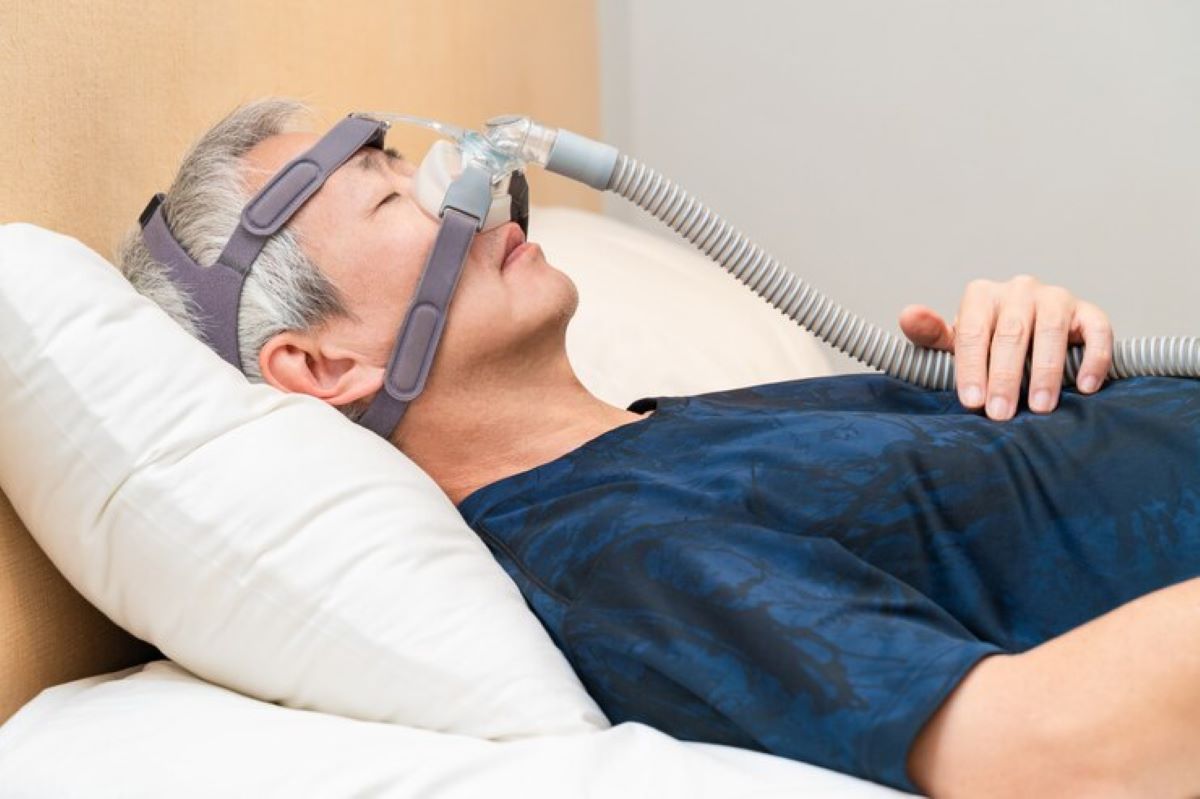
What Is Obstructive Sleep Apnoea (OSA) and How Can CPAP Therapy Help?
Obstructive Sleep Apnoea (OSA) occurs when throat muscles repeatedly relax during sleep, blocking the airway and causing breathing to stop temporarily. These interruptions can happen dozens or even hundreds of times per night, preventing sufferers from reaching deep, restorative sleep stages that CPAP masks are designed to support when used as part of effective therapy.
The condition affects far more than sleep quality. OSA symptoms include loud snoring, gasping for air during sleep, morning headaches, and excessive daytime sleepiness. Without proper treatment—including correctly fitted CPAP masks—OSA can trigger a cascade of serious health problems that extend well beyond persistent fatigue.
Why Seeking Treatment Matters
Untreated OSA significantly increases the risk of serious health complications:
- Cardiovascular disease: High blood pressure, irregular heartbeat, and increased stroke risk
- Type 2 diabetes: Impaired glucose metabolism and insulin resistance
- Cognitive decline: Memory problems, difficulty concentrating, and reduced mental sharpness
- Daytime fatigue: Dangerous drowsiness affecting work performance and driving safety
- Mood disorders: Depression, anxiety, and irritability
How CPAP Therapy Works
Continuous Positive Airway Pressure (CPAP) therapy delivers a steady stream of pressurised air through a mask worn during sleep. This constant airflow acts as a pneumatic splint, keeping the throat open and preventing the collapse that causes breathing interruptions.
The system consists of three main components:
- A machine that generates pressurised air
- A hose that transports it
- A mask that delivers the air to your airways
When used consistently, CPAP therapy eliminates breathing interruptions, allowing uninterrupted sleep cycles and oxygen flow throughout the night.
The importance of CPAP therapy cannot be overstated—it’s the gold standard treatment for OSA, with proven effectiveness in reducing health risks and improving quality of life. Choosing the right mask is essential for ensuring you’ll actually use the device every night, making mask selection a critical step in your treatment journey.
What Are the Different Types of CPAP Masks Available?
CPAP mask types fall into three main categories: nasal masks, nasal pillow masks, and full face masks. Each design addresses specific breathing patterns, comfort preferences, and sleep habits.
Nasal Masks
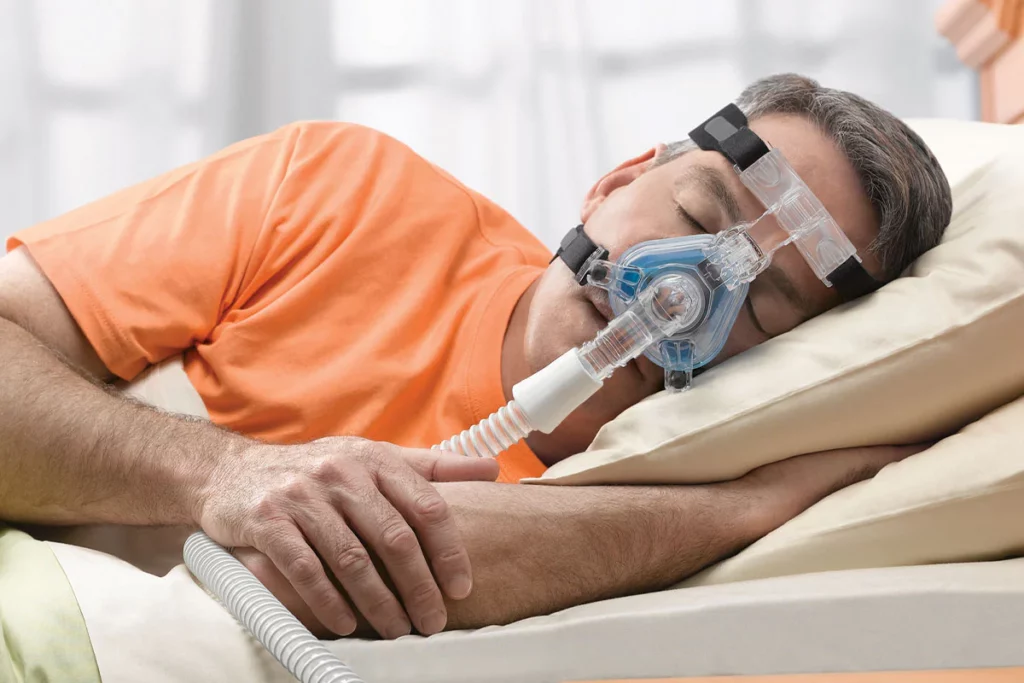
Nasal masks cover the entire nose from the bridge down to the upper lip. These masks create a seal around the nasal area, delivering pressurised air directly through the nostrils whilst leaving the mouth uncovered.
Side sleepers find nasal masks particularly accommodating because the cushion design maintains a secure seal even when the head shifts positions throughout the night. The mask’s triangular or teardrop shape distributes pressure evenly across the nose bridge and cheeks, reducing the likelihood of air leaks during movement.
Nose breathers benefit most from this mask style since it works with their natural breathing pattern. The design proves especially effective for users requiring higher pressure settings—typically above 10 cmH2O—because the larger surface area of the cushion can withstand increased air pressure without compromising the seal.
Key advantages of nasal masks include:
- Stable seal that accommodates various sleeping positions
- Less claustrophobic than full face alternatives
- Compatible with higher pressure settings
- Suitable for users with facial hair around the mouth area
The primary limitation affects mouth breathers, who may experience air leaks if they open their mouth during sleep. Users with chronic nasal congestion or a deviated septum may also struggle with nasal-only delivery systems.
Nasal Pillow Masks
Nasal pillow masks represent the most minimalist CPAP mask design. Rather than covering the nose, these masks feature small cushions or “pillows” that insert directly into the nostrils, creating a seal at the nostril opening.
The lightweight construction makes these masks ideal for active sleepers who toss and turn frequently. The minimal facial contact means fewer pressure points and reduced risk of skin irritation or facial marks upon waking.
Claustrophobic users often prefer nasal pillow masks because they don’t obstruct vision or create a sense of confinement. This open field of view allows users to wear glasses, read, or watch television comfortably before sleep whilst wearing the mask.
How Does One’s Sleeping Position Influence CPAP Mask Choice?
Your sleeping position directly affects which CPAP mask will maintain a proper seal throughout the night. Different positions create varying levels of pressure and movement against the mask, making some styles more suitable than others for maintaining consistent therapy.
Side Sleepers and Mask Selection
Side sleepers face unique challenges as their mask presses against the pillow, potentially breaking the seal or causing discomfort. Nasal masks and nasal pillow masks work exceptionally well for this sleeping position due to their compact design and minimal profile. The smaller footprint means less surface area contacts the pillow, reducing the likelihood of air leaks.
Nasal pillow masks particularly excel for side sleepers who frequently change positions during the night. The direct nostril insertion creates a stable seal that remains intact even when the head moves across the pillow. Many side sleepers also appreciate the unobstructed field of vision these masks provide, allowing them to read or watch television before sleep without interference.
For side sleepers who prefer nasal masks, models with flexible frames and soft cushions adapt better to pillow pressure. The ResMed AirFit N20, for instance, features a flexible frame that moves with you rather than against you, maintaining the CPAP mask fit regardless of position changes.
Back Sleepers and Optimal Mask Types
Back sleepers have the most flexibility in mask selection since this position creates minimal pressure on the mask interface. Full face masks, nasal masks, and nasal pillow masks all perform well for back sleepers, allowing the choice to depend more on breathing style and comfort preferences than positional constraints.
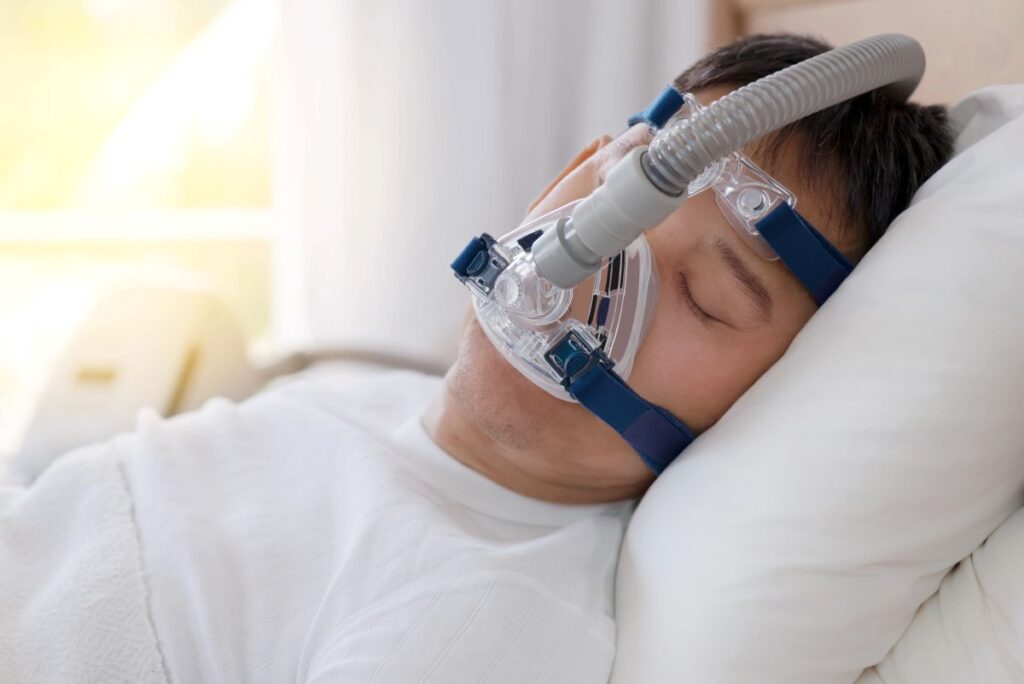
Full face masks suit back sleepers particularly well because the stable head position prevents the mask from shifting or losing its seal. The weight distribution of a full face mask rests evenly across the face when lying supine, creating consistent contact with the skin. Back sleepers who experience nasal congestion or breathe through their mouths during sleep benefit most from this mask type.
Nasal masks also work effectively for back sleepers who breathe primarily through their nose. The stable sleeping position ensures the cushion maintains contact with the skin around the nose throughout the night.
Other Resources : Resmed Masks with Magnets
Why Is Breathing Style Important When Choosing a CPAP Mask?
Your breathing pattern during sleep directly determines which CPAP mask will deliver effective therapy. Mouth breathers require masks that accommodate airflow through both the nose and mouth, while nose breathers can use masks designed exclusively for nasal airflow.
Understanding Airflow Requirements for Different Breathing Styles
Nose breathers maintain a closed mouth throughout sleep, allowing air to flow exclusively through nasal passages. This natural breathing pattern works seamlessly with nasal masks and nasal pillow masks, as these designs create a seal around the nose to deliver pressurised air directly where needed.
Mouth breathers either habitually breathe through their mouth or unconsciously open their mouth during sleep. This breathing style creates a significant challenge: air delivered through a nasal-only mask escapes through the open mouth, reducing therapy effectiveness and causing uncomfortable air leaks.
CPAP Mask Compatibility with Breathing Patterns
Different mask types serve distinct breathing styles:
- Nasal masks: Ideal for consistent nose breathers who keep their mouth closed during sleep
- Nasal pillow masks: Best suited for nose breathers who prefer minimal facial contact
- Full face masks: Essential for mouth breathers, providing coverage over both nose and mouth to prevent air leakage
Some individuals switch between nose and mouth breathing throughout the night. These mixed breathers benefit most from full face masks, which accommodate both breathing patterns without compromising seal integrity or therapy pressure.
Challenges Mouth Breathers Face with Nasal-Only Masks
Mouth breathers using nasal masks or nasal pillow masks encounter several problems that undermine treatment success. Air leakage through the open mouth reduces the therapeutic pressure needed to keep airways open, essentially rendering the therapy ineffective.
The constant air escape creates a drying effect on oral tissues, leading to severe dry mouth, sore throat, and increased thirst during the night. Users often wake repeatedly due to discomfort, defeating the purpose of sleep apnoea treatment.
Chin straps represent a potential solution for mild mouth breathing, holding the jaw closed during sleep. However, this approach proves uncomfortable for many users and fails to address the underlying breathing pattern. Full face masks remain the most reliable solution for consistent mouth breathers.
What Other Factors Should Be Considered When Selecting a CPAP Mask?
How Do Pressure Settings Influence Mask Choice?
Pressure settings on your CPAP machine directly influence which mask will work best for you. Higher pressure settings (typically above 12 cmH2O) require masks with more secure seals to prevent air leaks, making nasal masks or full face masks better choices than nasal pillows. Lower pressure settings offer more flexibility, allowing users to explore all mask types including the minimalist nasal pillow designs.
The relationship between pressure and mask design becomes particularly important during sleep movements. A mask that maintains its seal at 8 cmH2O might struggle at 15 cmH2O, causing disruptive air leaks that wake you throughout the night. Users requiring higher pressures often find that masks with wider cushion surfaces distribute the force more evenly across the face, reducing the likelihood of seal breaks.
How Do Comfort Preferences Impact Long-Term Therapy Success?
Comfort preferences determine whether you’ll consistently use your CPAP mask night after night. The cushion material touching your skin matters significantly—silicone cushions offer durability and easy cleaning, whilst foam cushions provide a softer feel that many users find more comfortable. Memory foam options mould to your unique facial contours, creating a personalised fit that adapts as you move.
Strap design affects both comfort and mask stability:
- Traditional headgear uses multiple adjustment points for a customised fit
- Magnetic clips allow quick removal without readjusting straps each night
- Minimal contact designs reduce pressure points and facial marks
- Stretchy fabric straps accommodate movement better than rigid alternatives
Weight distribution across your face influences comfort during extended wear. Lighter masks (under 100 grams) typically cause less facial fatigue, whilst heavier models may create pressure points that become uncomfortable after several hours. The connection point where the tube attaches also matters—top-of-head connections reduce tube drag on the mask, whilst front connections may suit those who sleep in specific positions.
Why Do Facial Features Matter in Mask Selection?
Facial features create unique challenges that standard mask designs don’t always accommodate. A prominent nose bridge may cause gaps with certain nasal masks, leading to air leaks. Click here to get more about everything you need to know about home Oxygen concentrator technology.
What Are Common Fit Issues with CPAP Masks and How Can They Be Resolved?
Addressing Dryness and Congestion
Dry nose ranks among the most frequent complaints from CPAP users, particularly those wearing nasal or nasal pillow masks. The continuous airflow can strip moisture from nasal passages, causing discomfort, irritation, and even nosebleeds in severe cases.
Adding a heated humidifier to your CPAP machine provides immediate congestion relief and combats dryness. The warm, moisturised air prevents the nasal passages from becoming irritated. Start with a low humidity setting and adjust upwards until you find the sweet spot that eliminates dryness without creating condensation in the tubing.
Addressing Nasal Congestion
Nasal congestion creates a frustrating cycle where blocked airways make CPAP therapy less effective, yet the therapy itself can sometimes worsen congestion. Users often wake up with stuffy noses or find themselves unconsciously breathing through their mouths, breaking the seal on nasal masks.
Saline nasal sprays used before bedtime can clear passages and reduce inflammation. For chronic congestion issues, switching to a full face mask eliminates the problem entirely by accommodating both nose and mouth breathing. Some users benefit from using a nasal decongestant spray temporarily whilst adjusting to therapy, though long-term use requires medical supervision.
Dealing with Air Leaks
Air leaks compromise therapy effectiveness and create annoying whistling sounds that disturb sleep. Leaks typically occur when:
- Mask cushions have worn out and lost their seal
- Straps are too loose or overtightened
- Facial movements during sleep shift the mask position
- Facial hair prevents proper cushion contact
Replacing cushions every 1-3 months maintains optimal seal quality. Tightening straps seems logical but often backfires—excessive tension creates pressure points that push the mask away from the face. The mask should feel snug but not tight, allowing you to slide one finger between the strap and your skin.
Managing Pressure Sores and Skin Irritation
Red marks, indentations, or painful pressure sores develop when masks press too firmly against the face. The bridge of the nose and upper lip are particularly vulnerable areas.
How Do Trial Periods and Replacement Parts Enhance the Mask Selection Process?
Can you test a CPAP mask before buying it? Most reputable suppliers offer 30-day trial periods or satisfaction guarantees that allow users to test masks at home. These programmes eliminate the guesswork from choosing the best CPAP masks, letting you experience real-world comfort and effectiveness during actual sleep.
Trial periods prove particularly valuable because a mask that feels comfortable during a brief fitting appointment may reveal issues after several nights of use. Pressure marks, air leaks, or discomfort often only become apparent after extended wear. The ability to return or exchange a mask within 30 days protects your investment whilst ensuring you find the optimal fit.
Making the Most of Trial Programmes
When participating in a trial period, wear the mask for at least 7-10 consecutive nights to properly assess its performance. Initial discomfort often subsides as you adapt to CPAP therapy, but persistent issues signal the need for a different style or size.
Key aspects to evaluate during trials:
- Seal quality throughout the night
- Comfort level after 4+ hours of wear
- Whether the mask stays in place during position changes
- Absence of red marks or pressure points upon waking
- Ease of putting on and removing the mask
- Noise levels from air vents
Document your experience with each mask style, noting specific problems or benefits. This record helps when discussing alternatives with your supplier or sleep therapist.
The Role of Replacement Parts in Long-Term Success
Why do replacement parts matter when choosing a mask? Availability and cost of replacement components directly impact the long-term affordability and sustainability of your choice. Masks require regular replacement of cushions, headgear, and other parts to maintain proper function.
Cushions typically need replacing every 1-3 months as the silicone or gel material degrades with nightly use and regular cleaning. Worn cushions compromise the seal, leading to air leaks that reduce therapy effectiveness. Headgear straps stretch over time, usually requiring replacement every 6 months.
Standard replacement schedule:
- Cushions/pillows: Every 1-3 months
- Headgear: Every 6 months
Which Brands and Models Are Popular Among Users?
ResMed and Fisher & Paykel dominate the CPAP mask market, with both manufacturers offering extensive ranges across all mask categories. These brands have earned their reputation through consistent innovation, quality materials, and designs that prioritise user comfort during extended nightly wear.
ResMed Masks: Leading the Market
ResMed’s product line includes some of the most widely prescribed masks globally. The AirFit series represents their flagship collection, with models designed to address specific user needs and preferences.
Popular Nasal Masks
- ResMed AirFit N20: Features a soft, flexible frame with InfinitySeal cushion technology that adapts to different facial contours and sleeping positions
- ResMed AirTouch N20: Uses UltraSoft memory foam cushions instead of silicone, providing a gentler feel against the skin
- ResMed Mirage FX: Compact design with dual-wall Spring Air cushion for a secure seal
Popular Nasal Pillow Masks
- ResMed AirFit P10: Weighs only 45 grams, making it one of the quietest and lightest masks available
- ResMed AirFit P30i: Top-of-head tube connection allows complete freedom of movement during sleep
- ResMed Swift FX: Dual-wall nasal pillows with soft, flexible design for minimal facial contact
Popular Full Face Masks
- ResMed AirFit F20: Quick-release elbow and magnetic clips for easy attachment and removal
- ResMed AirFit F30i: Hybrid design covering only the nostrils and mouth, reducing facial coverage by 45%
- ResMed Quattro Air: Lightweight frame with Spring Air cushion technology for enhanced comfort
Fisher & Paykel: Innovation in Comfort
Fisher & Paykel (F&P) has built its reputation on unique design features that differentiate their masks from competitors. Their Brevida, Eson, and Simplus ranges incorporate proprietary technologies focused on comfort and ease of use.
What Cleaning Practices Ensure Longevity and Hygiene of CPAP Masks?
Daily cleaning of your CPAP mask prevents bacterial growth, skin irritation, and equipment deterioration. A simple routine involves wiping down the mask cushion and frame each morning with unscented baby wipes or a damp cloth to remove facial oils and residue.
Daily Cleaning Instructions
Disassemble your mask components after each use. Wash the cushion, frame, and headgear separately in warm water (approximately 30°C) with mild, fragrance-free soap. Avoid using harsh detergents, bleach, or alcohol-based cleaners as these degrade silicone materials and reduce the mask’s lifespan. Rinse all parts thoroughly under running water to eliminate soap residue that might cause skin reactions.
Weekly Deep Cleaning Routine
Soak mask components in warm soapy water for 15-20 minutes once per week. This deeper clean removes accumulated oils and dead skin cells that daily wiping misses. Use a soft-bristled brush to gently scrub hard-to-reach areas around the cushion seal and frame crevices. Pay special attention to elbow connectors and swivel joints where moisture accumulates.
Proper Drying Techniques
Air-dry all components on a clean towel away from direct sunlight, which degrades silicone and plastic materials. Never use a tumble dryer, hairdryer, or microwave to speed drying as heat warps mask shapes and compromises seal integrity. Ensure parts are completely dry before reassembly to prevent mould growth in damp environments.
Headgear and Strap Maintenance
Wash fabric headgear and straps weekly in a mesh laundry bag using gentle cycle settings. Hand washing extends their lifespan compared to machine washing. Replace elastic straps every 3-6 months when they lose tension, as stretched straps fail to maintain proper mask positioning during sleep.
Tubing Care Considerations
Clean CPAP tubing weekly by soaking in warm soapy water, then rinsing thoroughly. Hang tubing vertically to drain excess water from both ends. Replace tubing every 3-6 months or sooner if you notice signs of wear such as cracks or tears.
Conclusion
Choosing the Best CPAP Masks: A Buyer’s Guide comes down to understanding your unique sleep patterns, breathing style, and comfort needs. The best CPAP mask selection isn’t about finding the most expensive or technologically advanced option—it’s about discovering what works specifically for your body and lifestyle.
Your therapy success depends heavily on consistent nightly use. A mask that causes discomfort, leaves marks, or disrupts your sleep will likely end up abandoned in a drawer. This is why personalised fit matters more than brand names or recommendations from others. What works brilliantly for one person may be completely unsuitable for another.
Take advantage of trial periods offered by suppliers. These programmes exist precisely because finding the right mask often requires experimentation. Don’t settle for a mask that feels “good enough” during the first week—minor irritations typically worsen over time and can derail your entire treatment plan.
Key factors to revisit during your selection process:
- Your primary sleeping position (back, side, or stomach)
- Whether you breathe through your nose, mouth, or both during sleep
- Your prescribed pressure settings
- Any facial features that might affect seal quality (facial hair, facial structure)
- Personal comfort preferences regarding cushion materials and strap designs
Remember that your needs may change over time. Weight fluctuations, seasonal allergies, or changes in sleeping position can all affect mask performance. Keep communication open with your sleep specialist and don’t hesitate to explore different options if your current mask stops working effectively.
The investment in finding your ideal mask pays dividends through better sleep quality, improved daytime alertness, and reduced health risks associated with untreated sleep apnoea. Your commitment to this process directly impacts your long-term health outcomes and quality of life.
FAQs (Frequently Asked Questions)
What is Obstructive Sleep Apnea (OSA) and how does CPAP therapy help?
Obstructive Sleep Apnea (OSA) is a condition that disrupts sleep quality and overall health by causing airway blockages during sleep. CPAP therapy helps by delivering a continuous flow of air through a CPAP mask, keeping the airway open to prevent interruptions in breathing.
What are the different types of CPAP masks available and who should use them?
There are three main types of CPAP masks: nasal masks suitable for various sleeping positions and breathing styles; nasal pillow masks that offer minimal facial contact but may cause discomfort for some; and full face masks ideal for individuals with severe OSA or those who breathe through their mouth during sleep.
How does my sleeping position affect the choice of CPAP mask?
Sleeping position influences mask selection to ensure comfort and a proper seal. Side sleepers may prefer nasal or nasal pillow masks, back sleepers can use most mask types, and stomach sleepers might find smaller nasal pillow masks more comfortable to avoid mask displacement.
Why is understanding my breathing style important when selecting a CPAP mask?
Breathing style affects airflow needs during sleep. Nose breathers can effectively use nasal or nasal pillow masks, while mouth breathers often require full face masks to accommodate mouth breathing and ensure effective therapy without air leakage.
What other factors should I consider when choosing a CPAP mask?
Consider your CPAP machine’s pressure settings, personal comfort preferences such as cushion material and strap design, and your unique facial features. These factors influence mask fit, comfort, and long-term adherence to therapy.
How can common fit issues with CPAP masks be resolved?
Common issues like dry nose or congestion can be managed by using a humidifier with your CPAP machine or saline nasal sprays. Ensuring proper mask fit and trying different mask types during trial periods can also help resolve discomfort or leakage problems.